
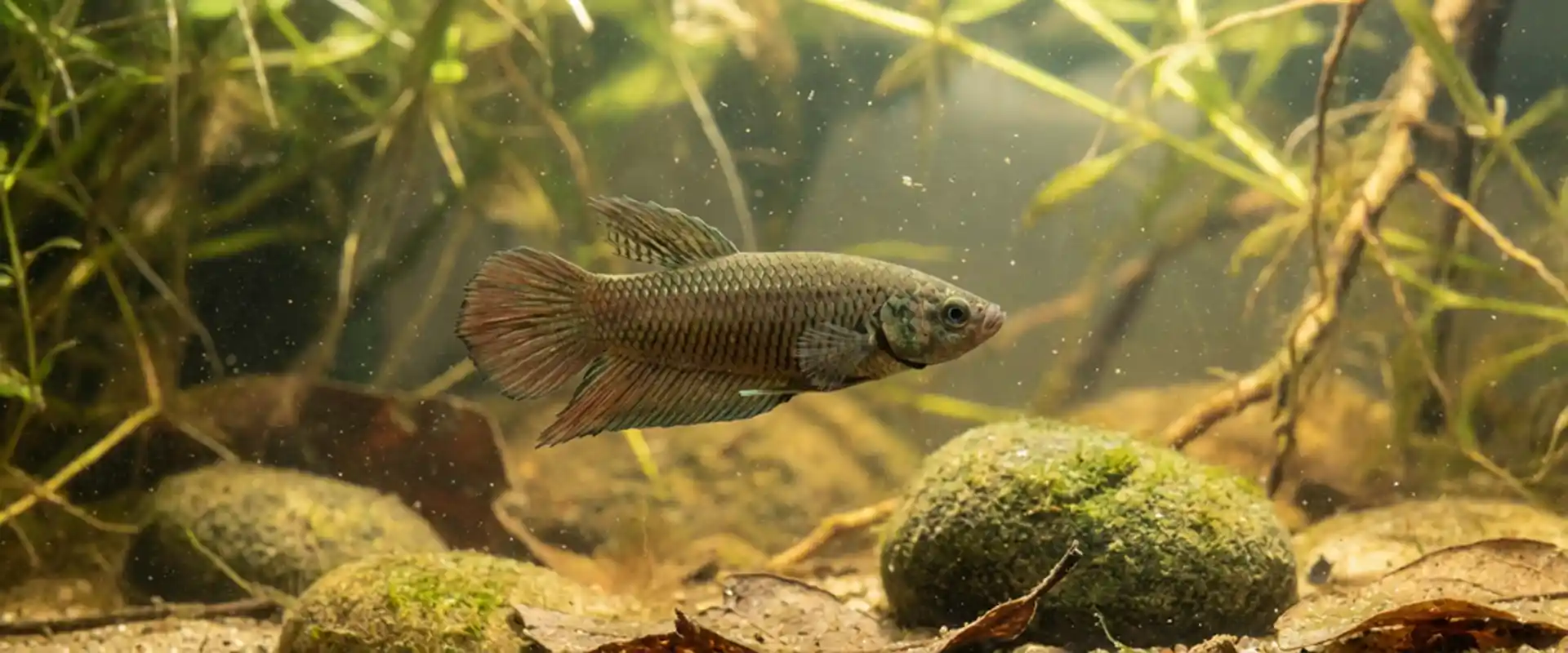
What Makes Wild Bettas Different from Fancy Bettas
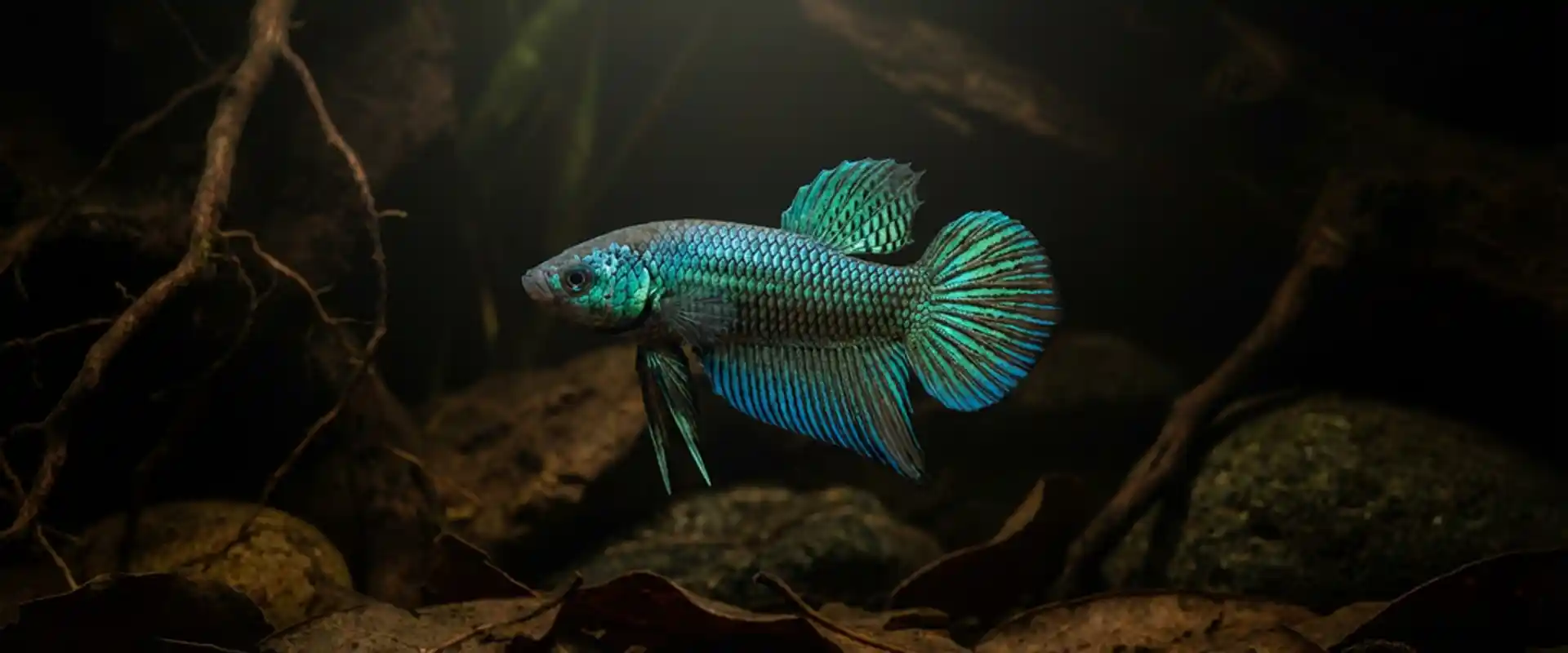
Wild bettas (native / regional forms) express traits shaped by natural selection—subtle metallic hues, location-specific markings, and behavior tuned to real habitats. In contrast, fancy bettas are selectively bred for dramatic finnage, vivid color blocks, and consistent show traits.
For global collectors, the key word is authenticity: a wild line that stays close to its natural morphology and regional phenotype is often more valuable than an exaggerated look—especially when provenance is clear.
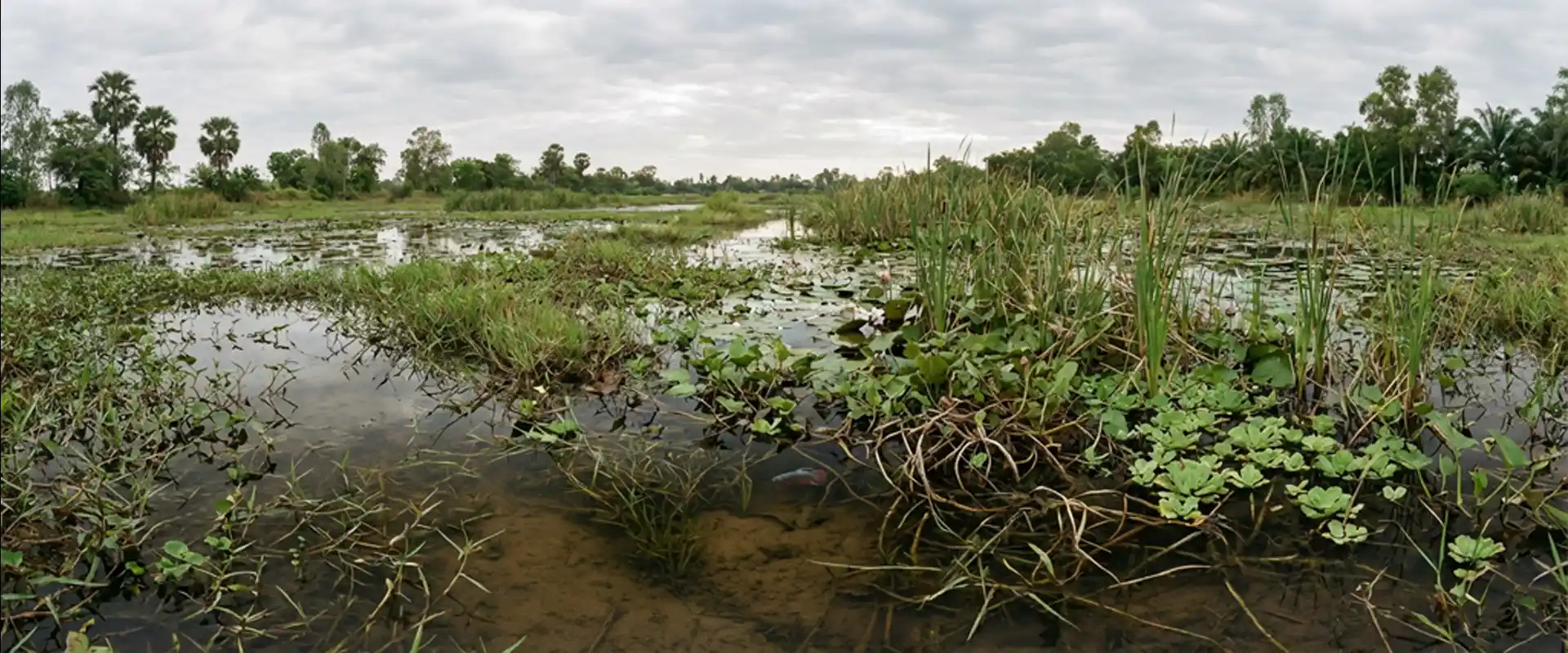
Native Origins in Thailand: Mahachai, Imbellis, Smaragdina
Thailand hosts multiple iconic wild betta groups—each tied to habitat type and region. For deeper species pages, see: Mahachai Betta, Betta imbellis, and Betta smaragdina.
Quick scientific context
Wild betta phenotype is influenced by water chemistry, vegetation structure, and micro-habitat. That’s why regional lines can look modest as juveniles but develop remarkable depth of color at maturity.
| Group | Region (Thailand) | Typical habitat | Collector appeal |
|---|---|---|---|
| Mahachai | Coastal / brackish-influenced areas (Samut Sakhon) | Vegetated canals, brackish margins | Metallic depth, habitat-linked rarity |
| Imbellis | Southern Thailand | Slow waters, plant-heavy microhabitats | Peaceful temperament, refined wild look |
| Smaragdina | Northeast / East Thailand | Shallow seasonal waters | Emerald tones, distinctive regional patterning |
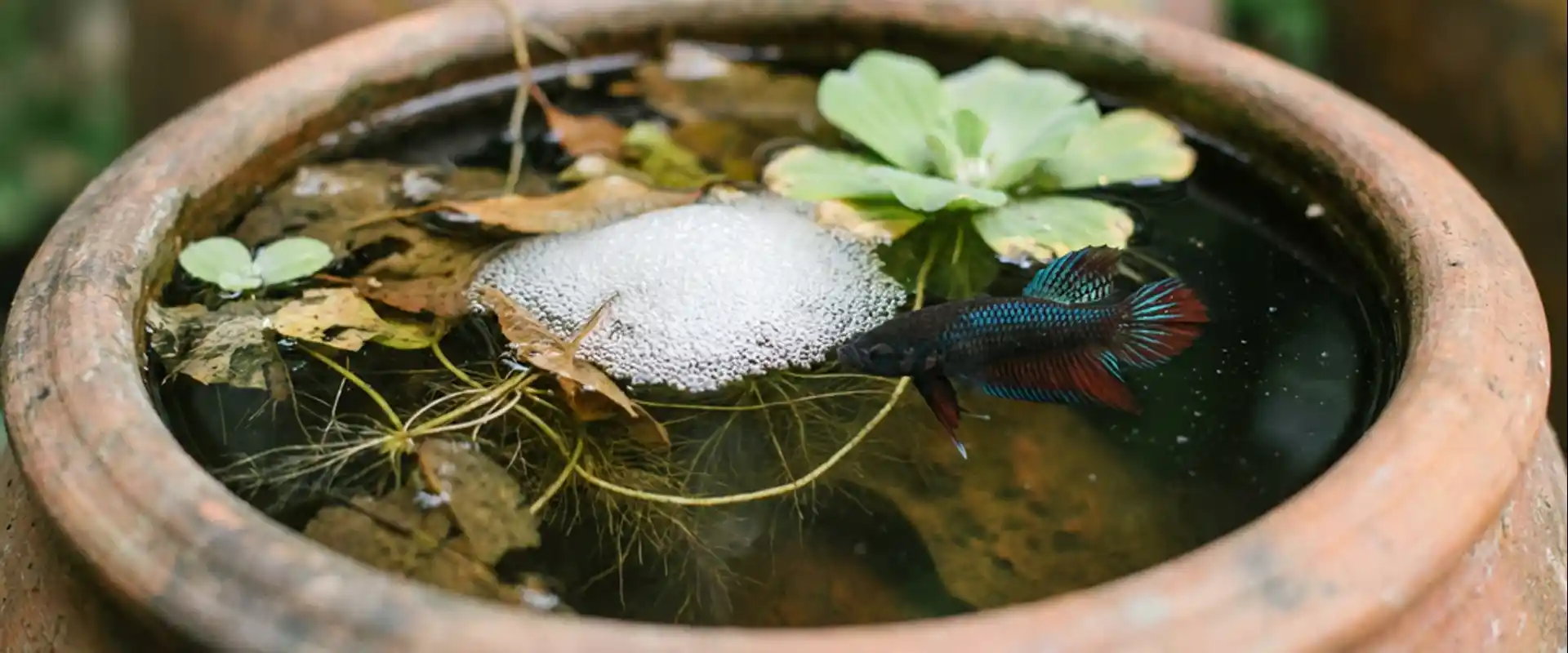
Breeding Challenges: Real Notes from a Thai Breeder
Breeding wild lines is not only about reproduction—it is about maintaining true wild morphology, stabilizing natural coloration over generations, and minimizing stress.
Compared to many fancy lines, wild bettas may require more time to reach peak coloration and more careful selection if your goal is an authentic line rather than a quick visual outcome.
Breeder focus points
- Provenance first: keep origin records by line and location.
- Low-stress husbandry: stable parameters, gentle conditioning, consistent feeding.
- Selection with restraint: avoid "fancy drift" if your goal is wild authenticity.
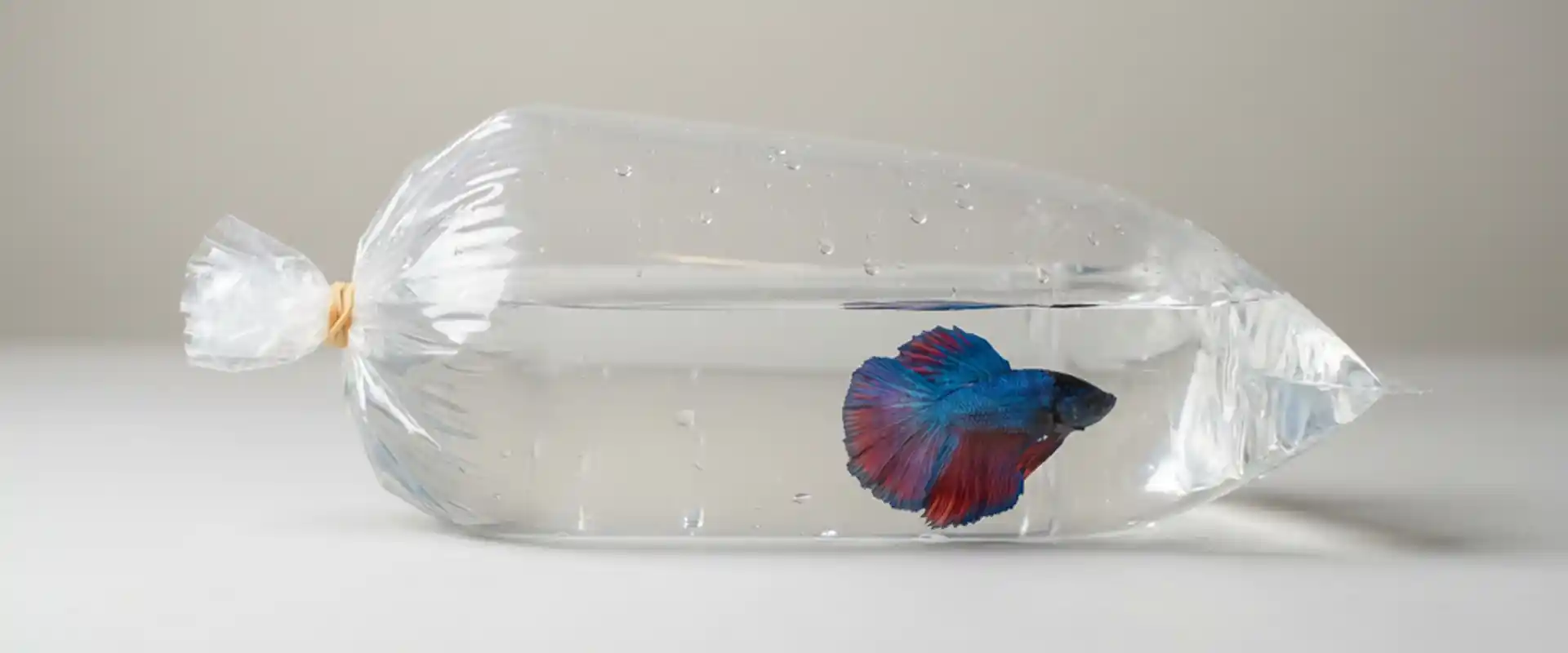
Export & Legal Considerations (USA / EU / Asia)
Export success depends on professional handling, correct packing, and compliance with local regulations. Buyers should confirm their country/state/city rules before import.
Operationally, the core is consistent: safe transport protocols, clear documentation where required, and realistic expectations about platform-specific restrictions on selling live animals.
How Professionals Select Show-Quality Wild Bettas
Selecting for show does not mean abandoning wild authenticity. Professionals look for health, symmetry, posture, and mature coloration—without pushing the fish into exaggerated traits.
Key traits often evaluated
- Body condition: strong profile, clean scales, stable swimming.
- Fin integrity: no tears, natural proportion, confident display.
- Color maturity: depth and consistency at adult stage.
- Temperament: alert but not chronically stressed.
Common Myths and Costly Mistakes (Betta Market)
Many claims about bettas are misleading. Clearing myths protects fish welfare—and protects buyer trust.
Myth 1: Bettas can be kept together in small containers.
Most male bettas are territorial and should be housed individually, except controlled breeding situations.
Myth 2: The female becomes “pregnant” by simply seeing the male.
Egg development is natural. Spawning requires a real breeding process and compatible conditions.
Myth 3: Stress tests (shaking bottles) prove strength.
Stress damages fish health and coloration. Responsible breeding prioritizes stability and welfare.
Wild vs Fancy Bettas: Scientific Comparison Table
This table summarizes practical differences relevant to collectors, breeders, and importers.
| Category | Wild Bettas | Fancy Bettas |
|---|---|---|
| Selection pressure | Natural selection + regional adaptation | Artificial selection for color/fins |
| Color development | Deepens at maturity; habitat-linked tones | Early vivid expression; engineered consistency |
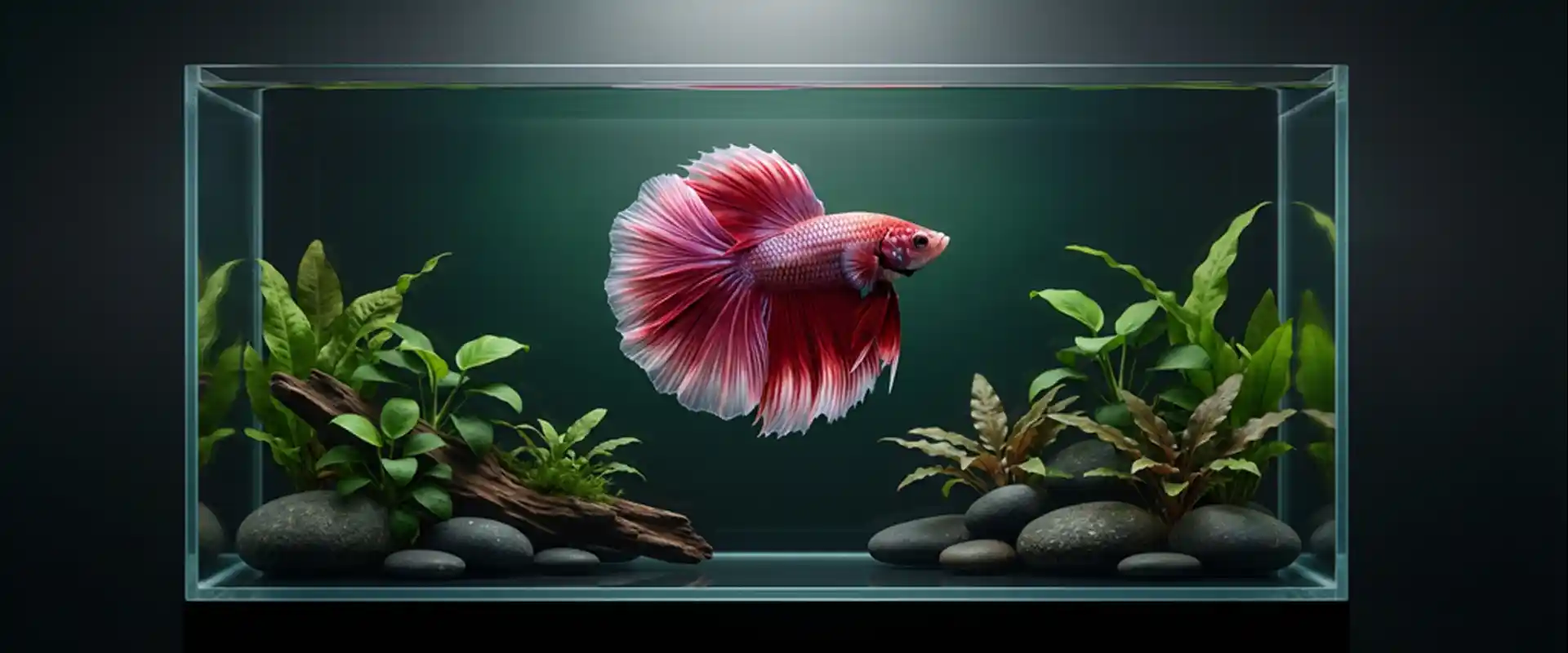
| Morphology | Functional wild fins; balanced proportions | Exaggerated finnage (e.g., Halfmoon), show traits |
| Collector value | Provenance, rarity, genetic authenticity | Visual impact, line reputation, standards |
| Breeding goal | Maintain wild identity; stabilize phenotype | Enhance traits; standardize show features |
| Best for | Heritage collectors, conservation-minded breeders | Show hobbyists, pattern/color-driven markets |
Why Thai Wild Bettas Are Valued Worldwide
Thai wild bettas are valued because they represent living genetic heritage. The closer a fish remains to its natural phenotype—especially at full maturity—the more it carries collector appeal and long-term breeding value.
Rarity, provenance, and mature coloration create global demand. For serious collectors, a verified wild line is not only beautiful—it is a foundation for future breeding programs.
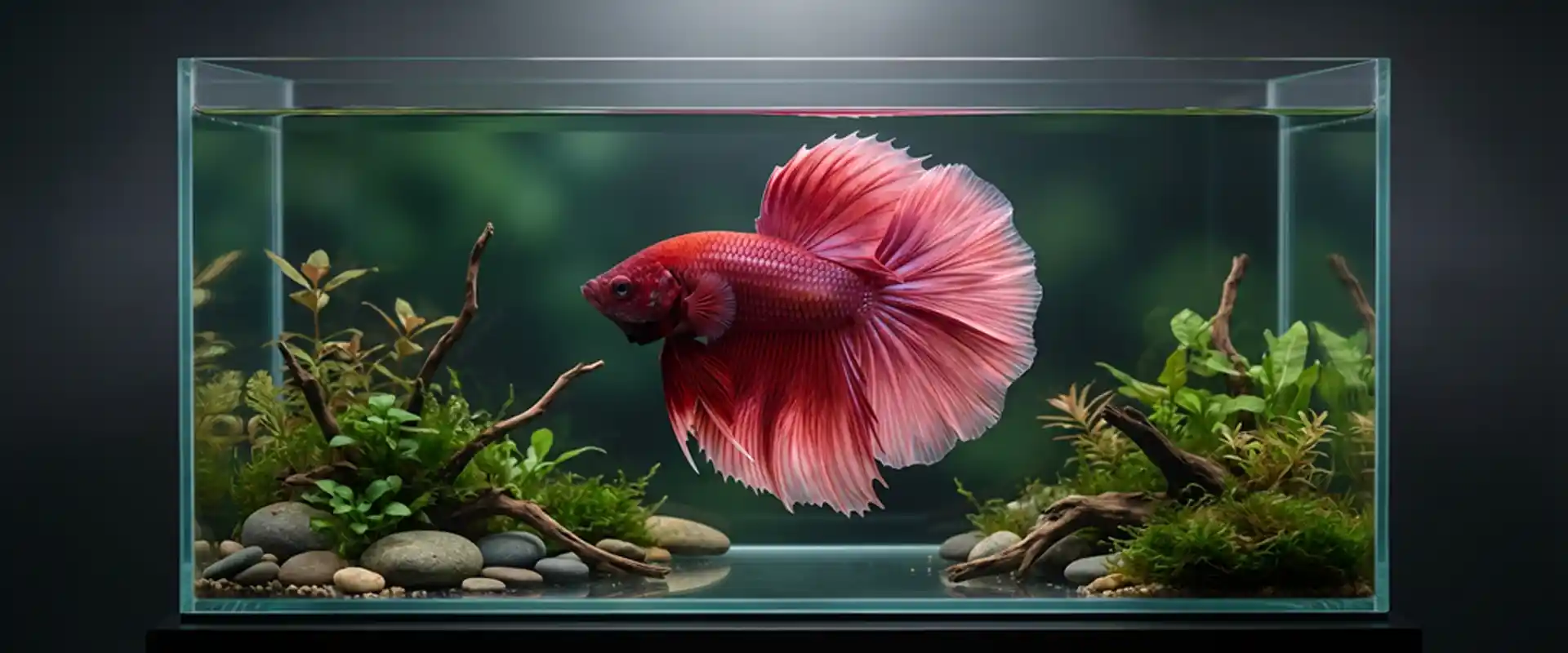
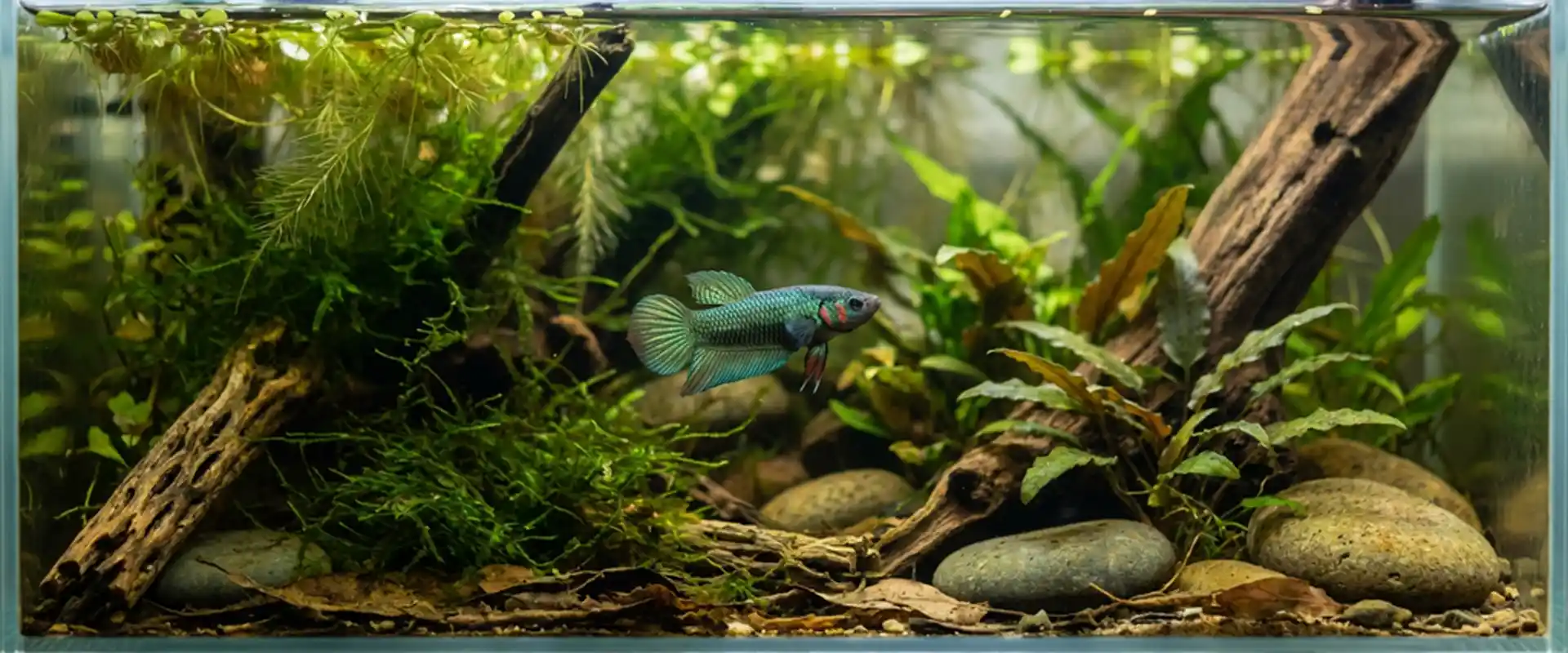
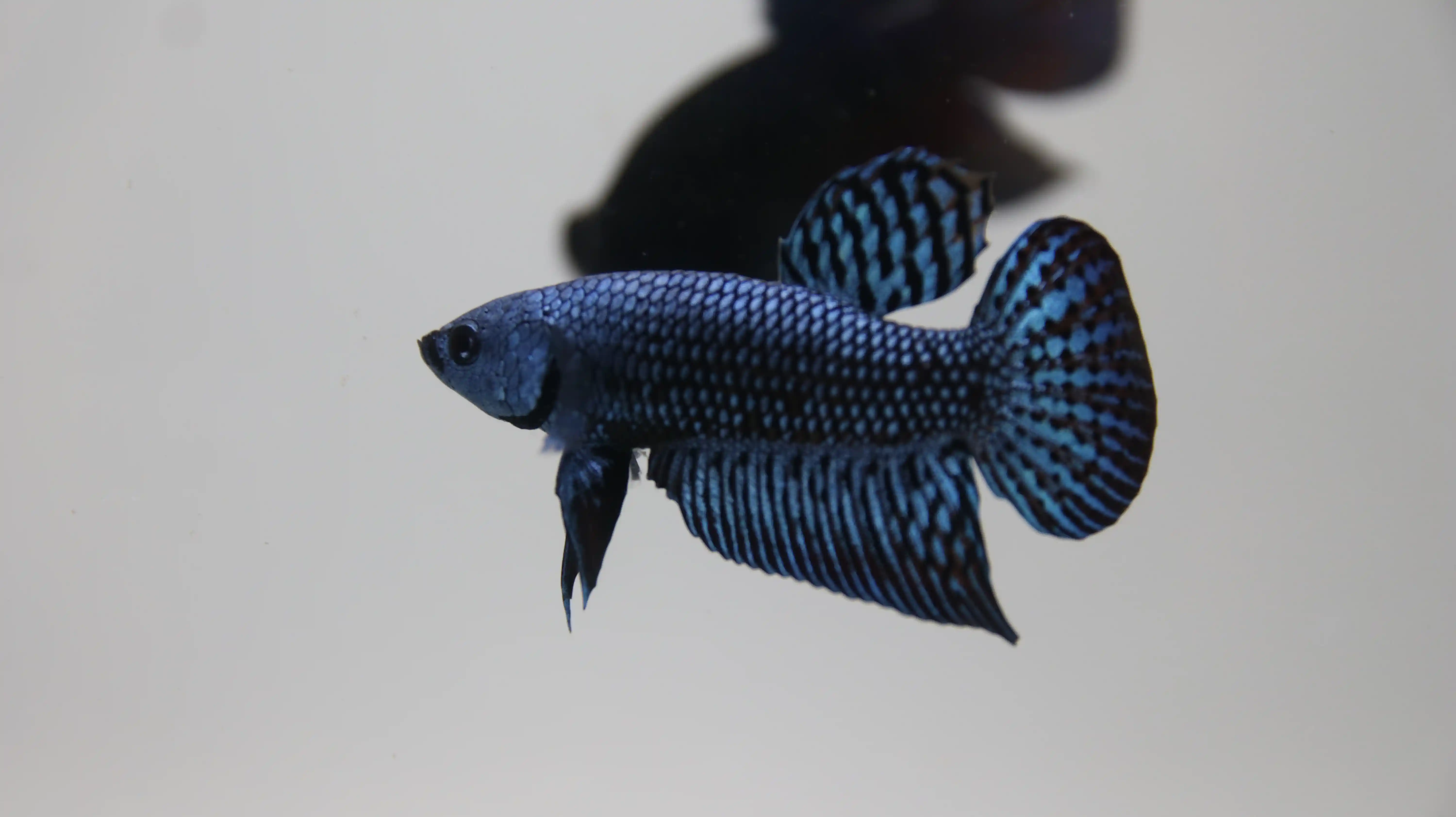
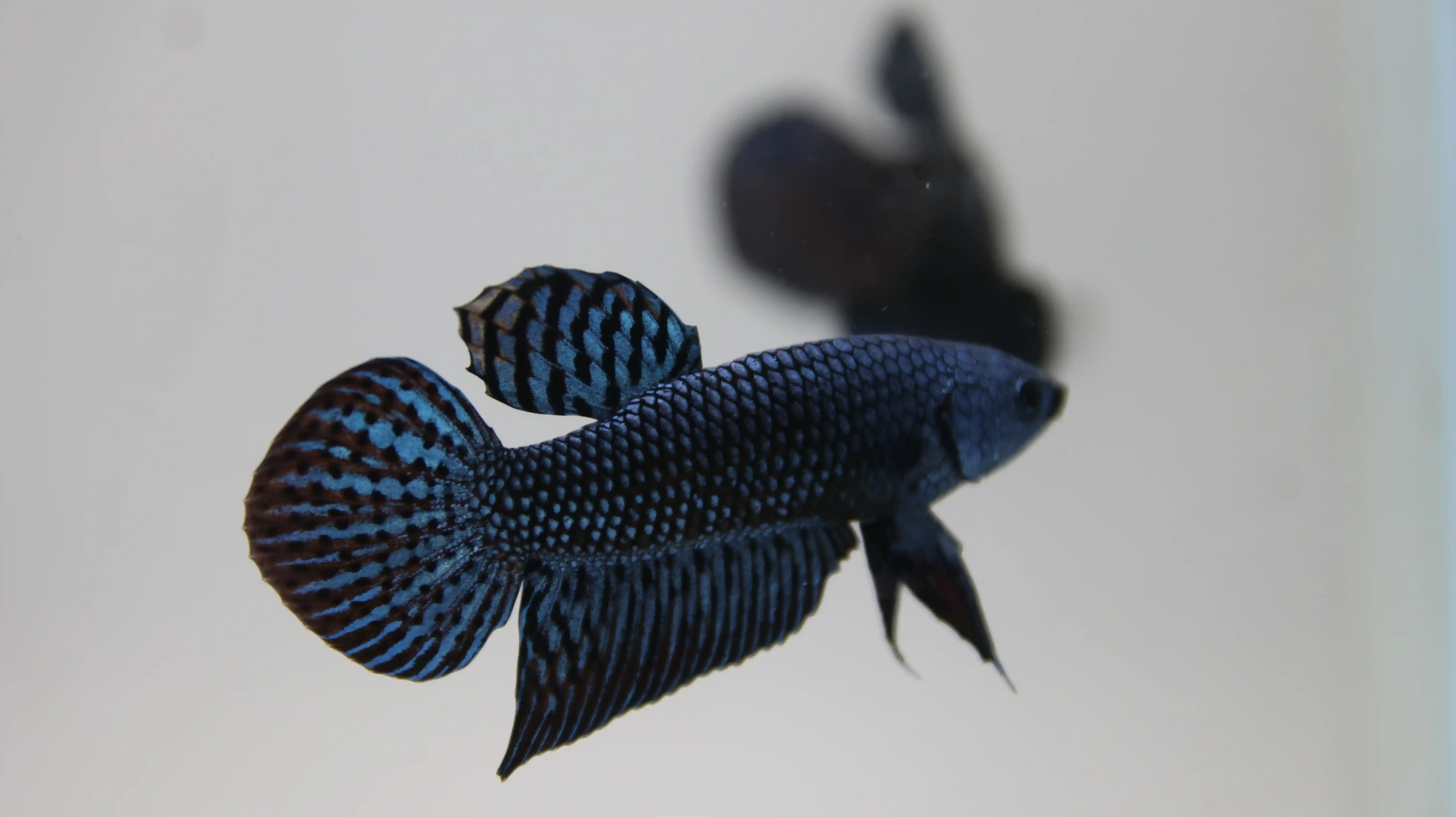
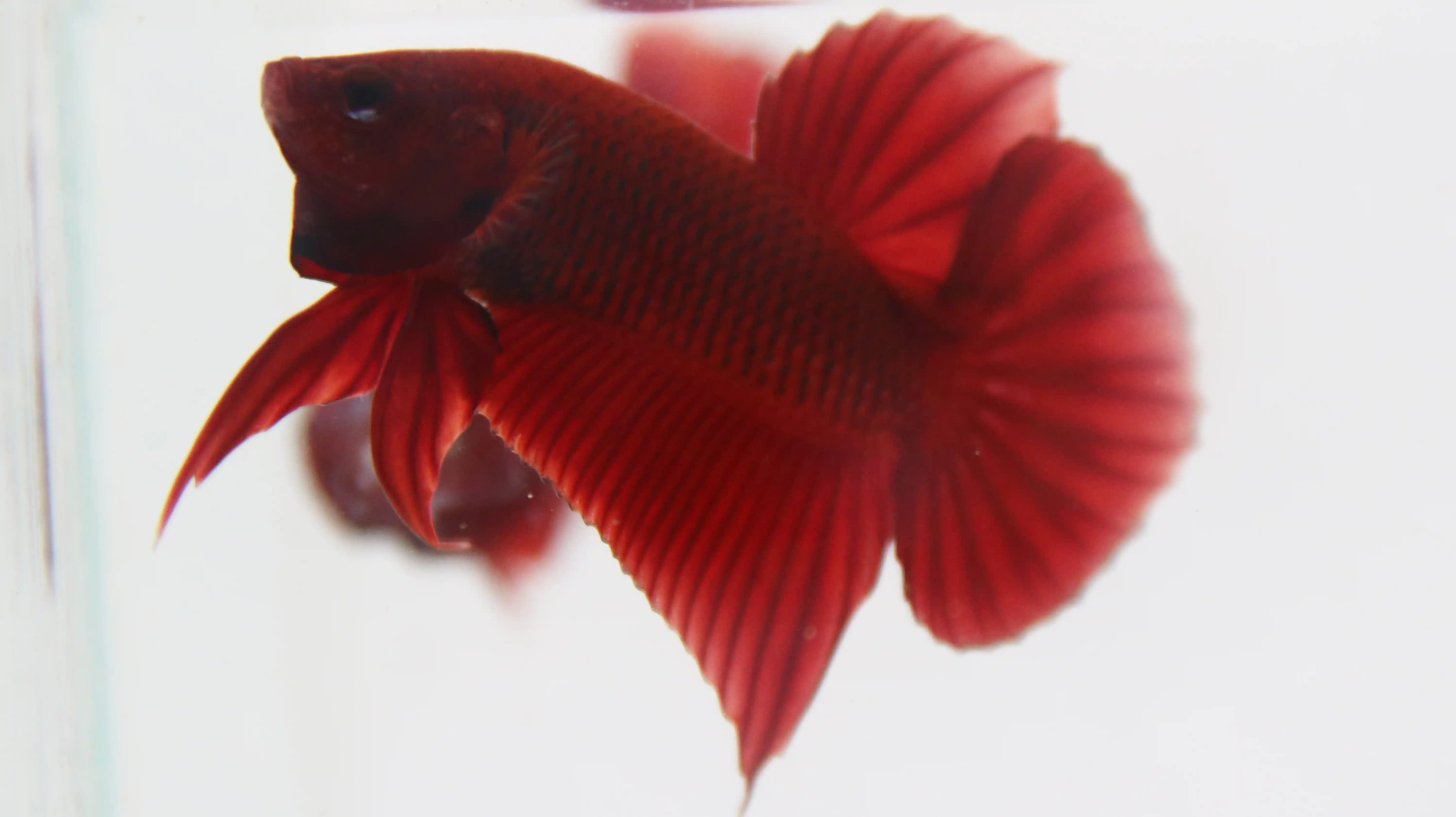
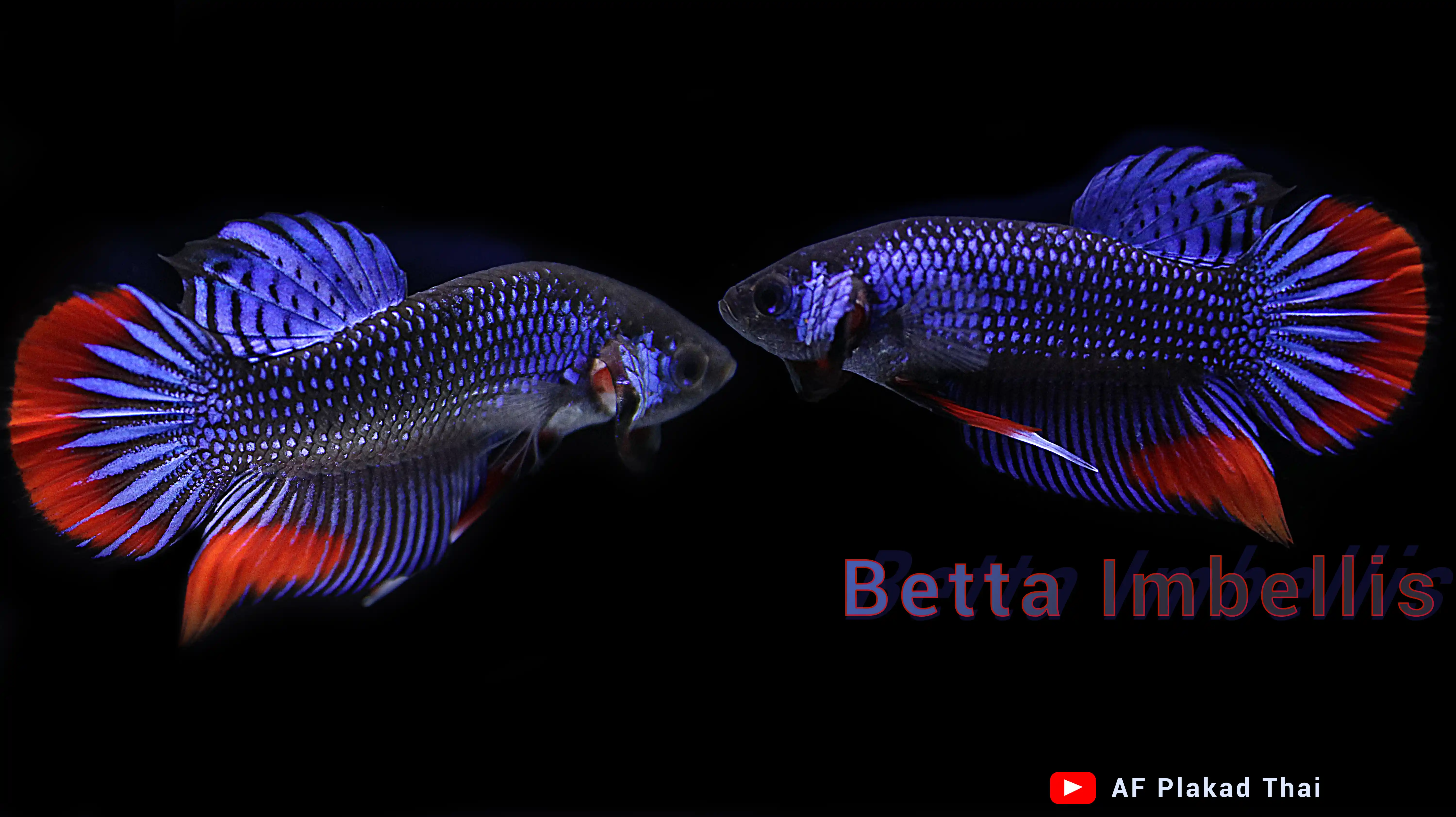
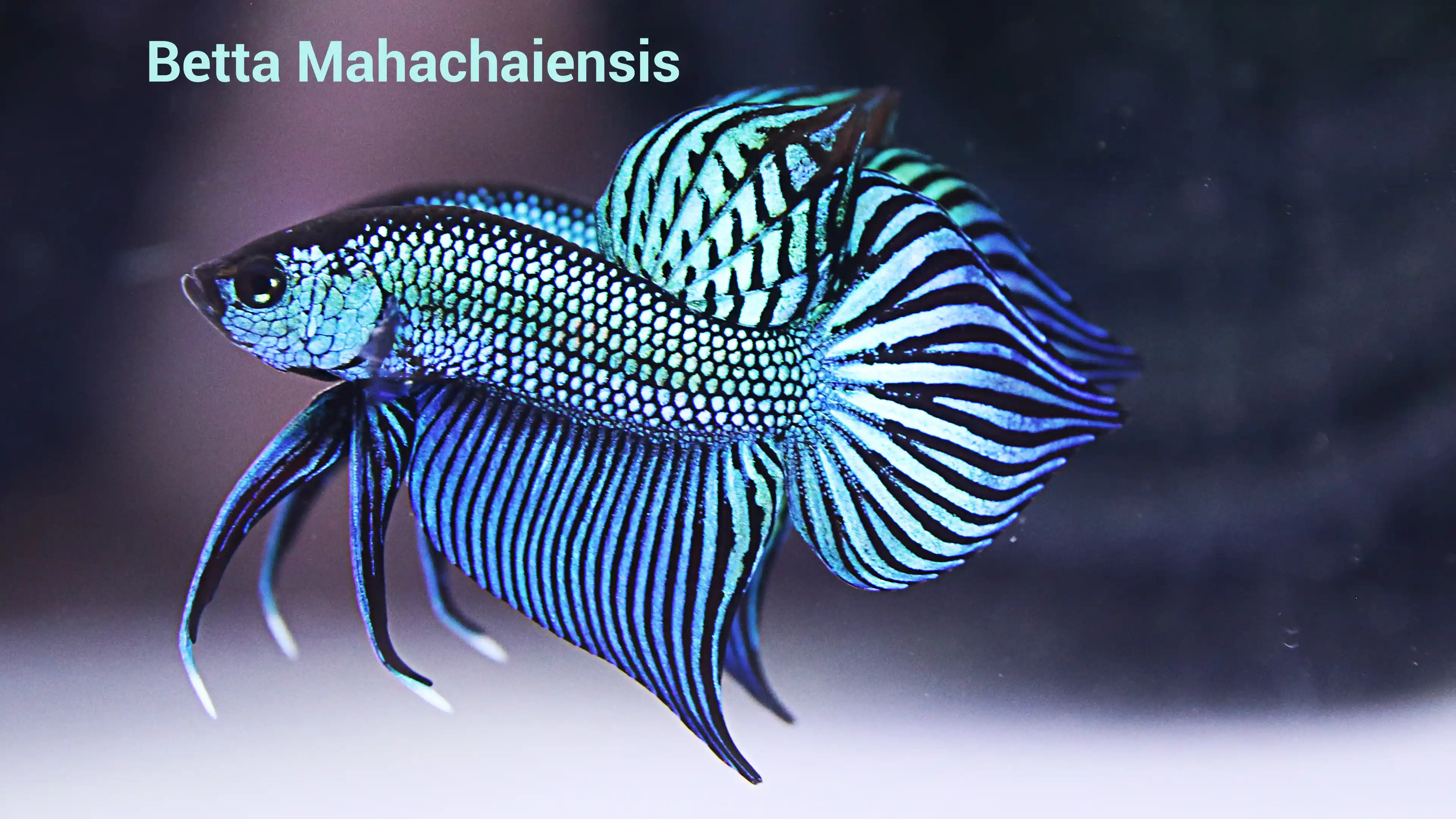
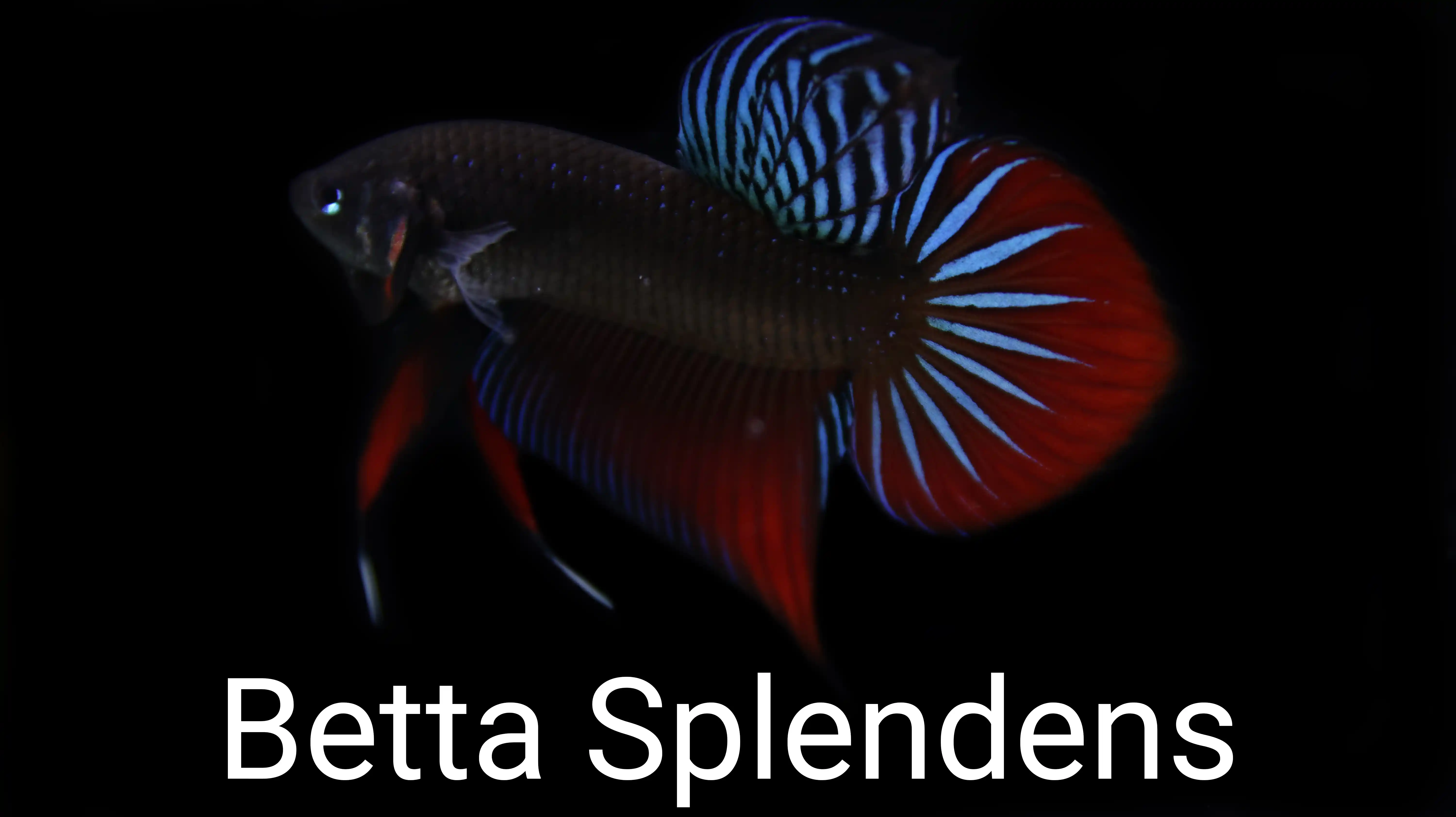
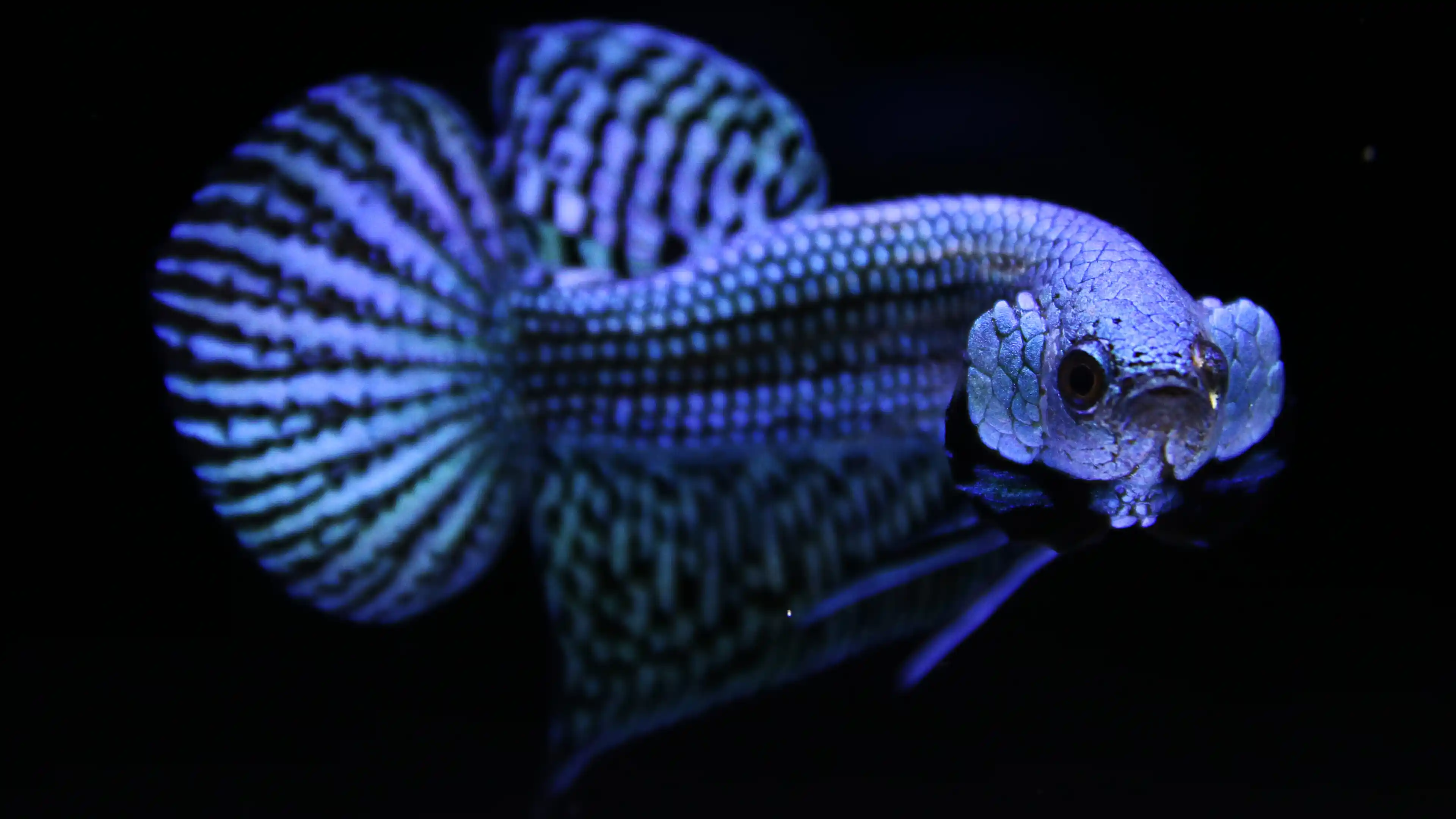
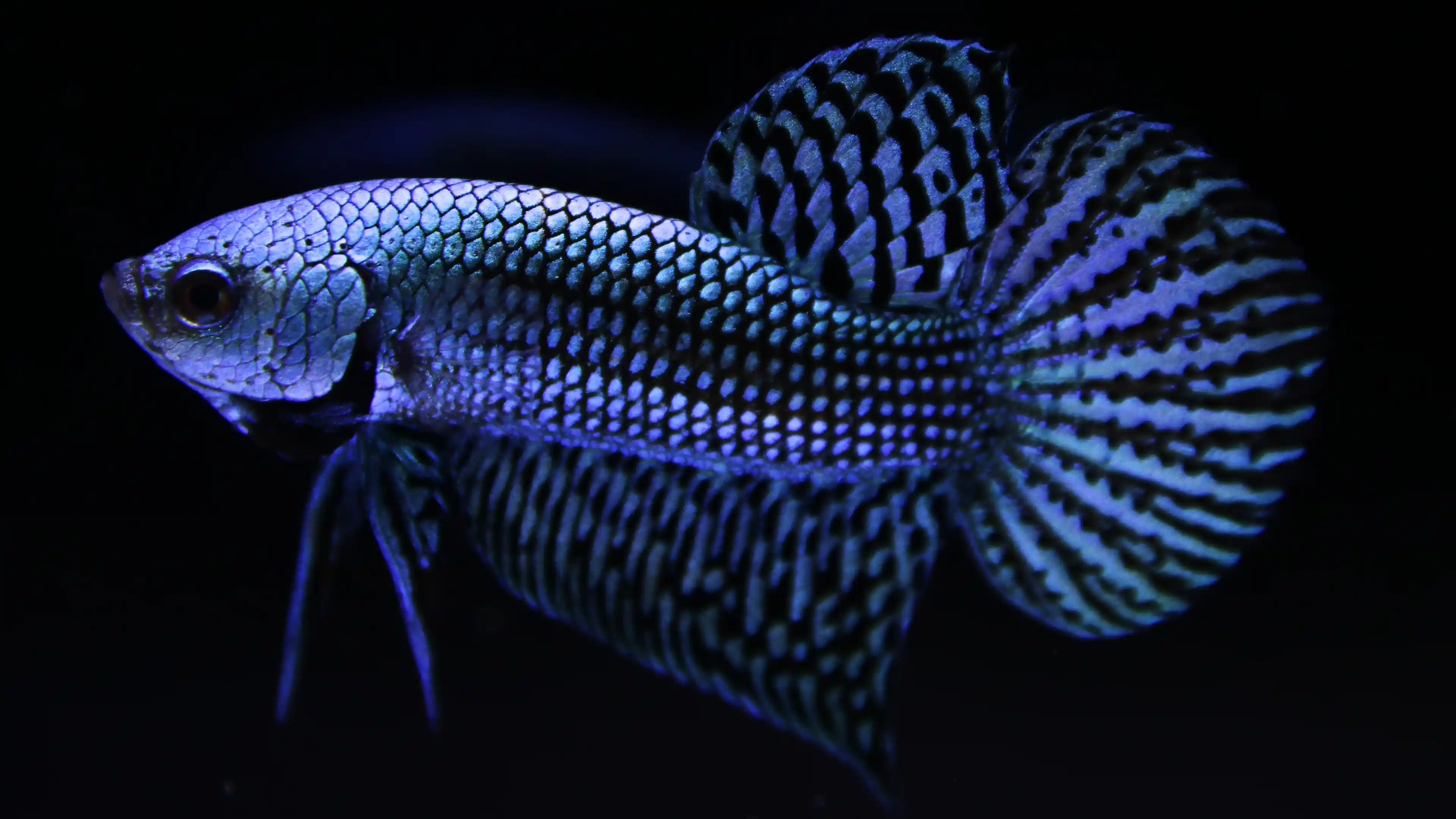
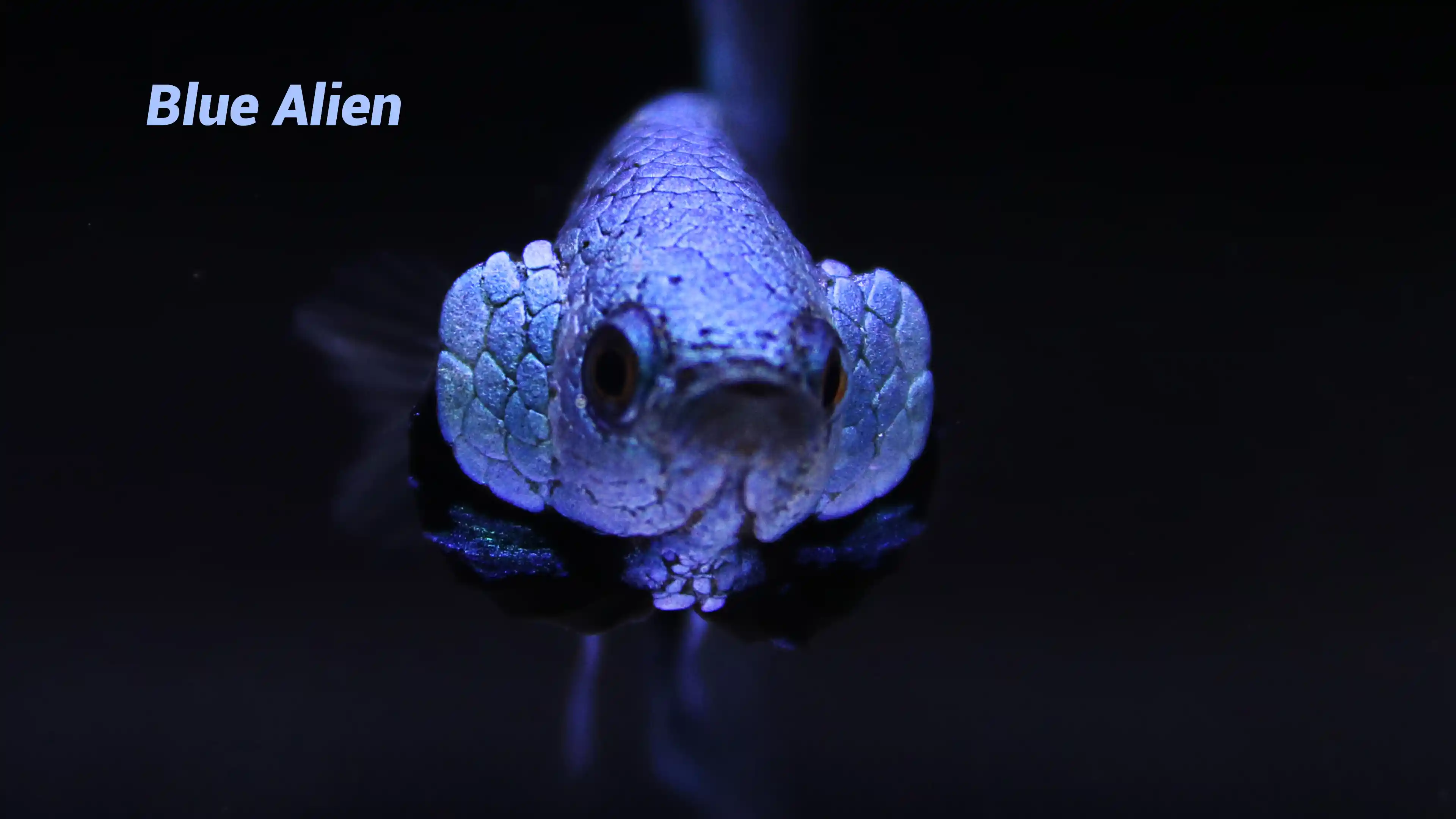
Hi-end collector view: premium specimens, clear water, natural-style presentation.
Collector & Importer CTA
Looking for verified Thai wild lines (Mahachai / Imbellis / Smaragdina) or premium fancy show fish? Tell us your target traits, destination country, and timeline—we’ll recommend suitable options and packing standards.
Tip: For importers, include your destination regulations and preferred arrival window.
See Live Auctions (Real Fish, Real-Time Bidding)
Want a collector-grade specimen right now? Browse our live betta auctions—each listing shows the actual fish, current bid, Instant Win, and countdown.
FAQ
Do wild bettas always look less colorful than fancy bettas?
Not necessarily. Many wild lines develop deeper metallic tones at full maturity—especially in stable, low-stress conditions.
What matters most for global collector value?
Provenance + authenticity. Verified lines close to natural morphology often hold stronger long-term value.
Should collectors keep wild bettas in a natural setup?
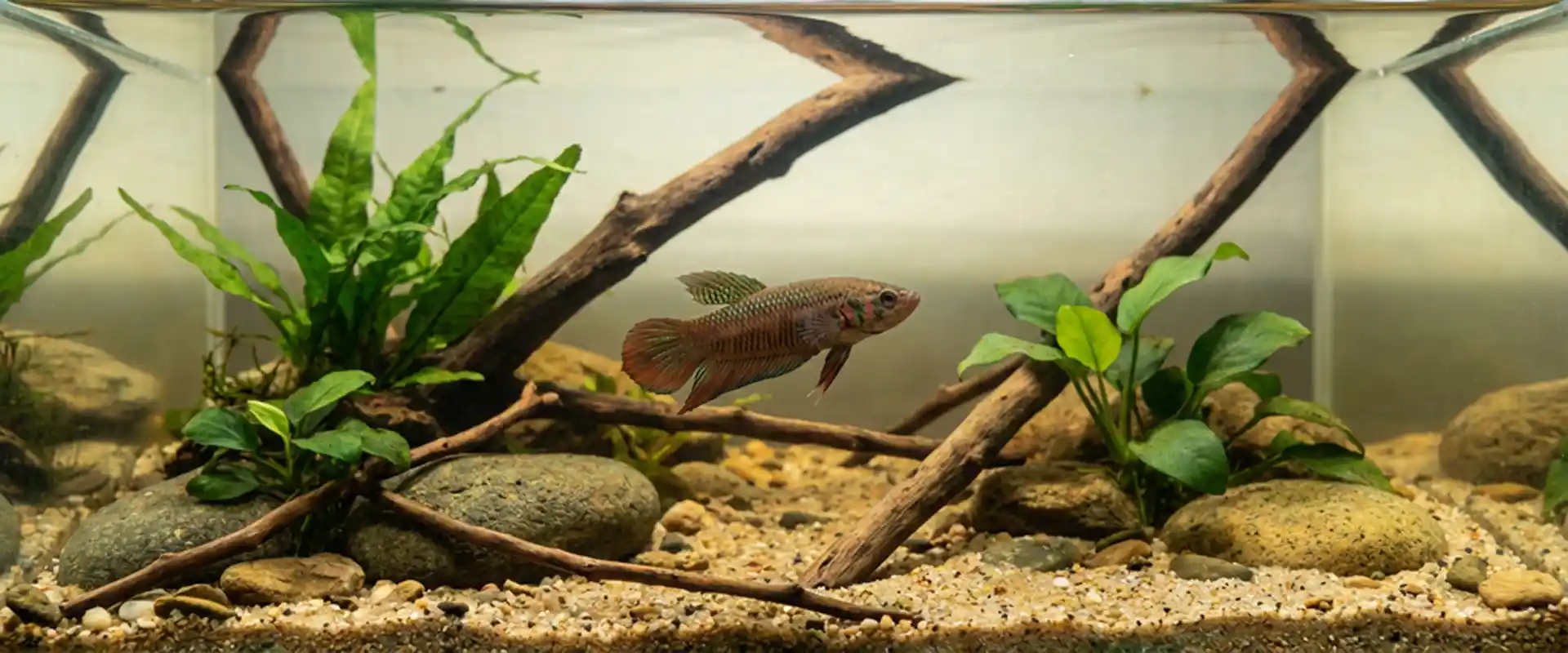
A natural-style setup can reduce stress and support color development, but stability (water, feeding, calm environment) is the priority.