
Imbellis Betta
Explore Betta imbellis, the peaceful wild betta, its natural beauty, species traits, and collector value through Bettavaro.
Introduction
Betta imbellis, commonly referred to as the Southern Thai Betta, is a naturally occurring wild betta species native to Southeast Asia, especially the southern provinces of Thailand. It is valued not only for its refined coloration and balanced fin structure, but also for its ecological resilience and cultural significance.
Compared to more aggressive domesticated lines, B. imbellis is typically calmer and more adaptable, making it highly attractive to conservation-minded aquarists and breeders who prefer natural phenotype and genetic integrity.
About 5-6 cm
About 5.5-7.0, often acidic habitats
Low-flow or still water
Bubble-nest builder
Origin & Natural Distribution
In Thailand, Betta imbellis is strongly associated with the southern region, commonly reported in lowland waters and peat-influenced systems across multiple provinces. The species is also documented in parts of Malaysia and Indonesia, reflecting its broader Southeast Asian distribution.
Key ecological advantage: like other labyrinth fishes, it can tolerate low oxygen conditions by utilizing atmospheric air via its labyrinth organ.
Morphology & Genetic Characteristics
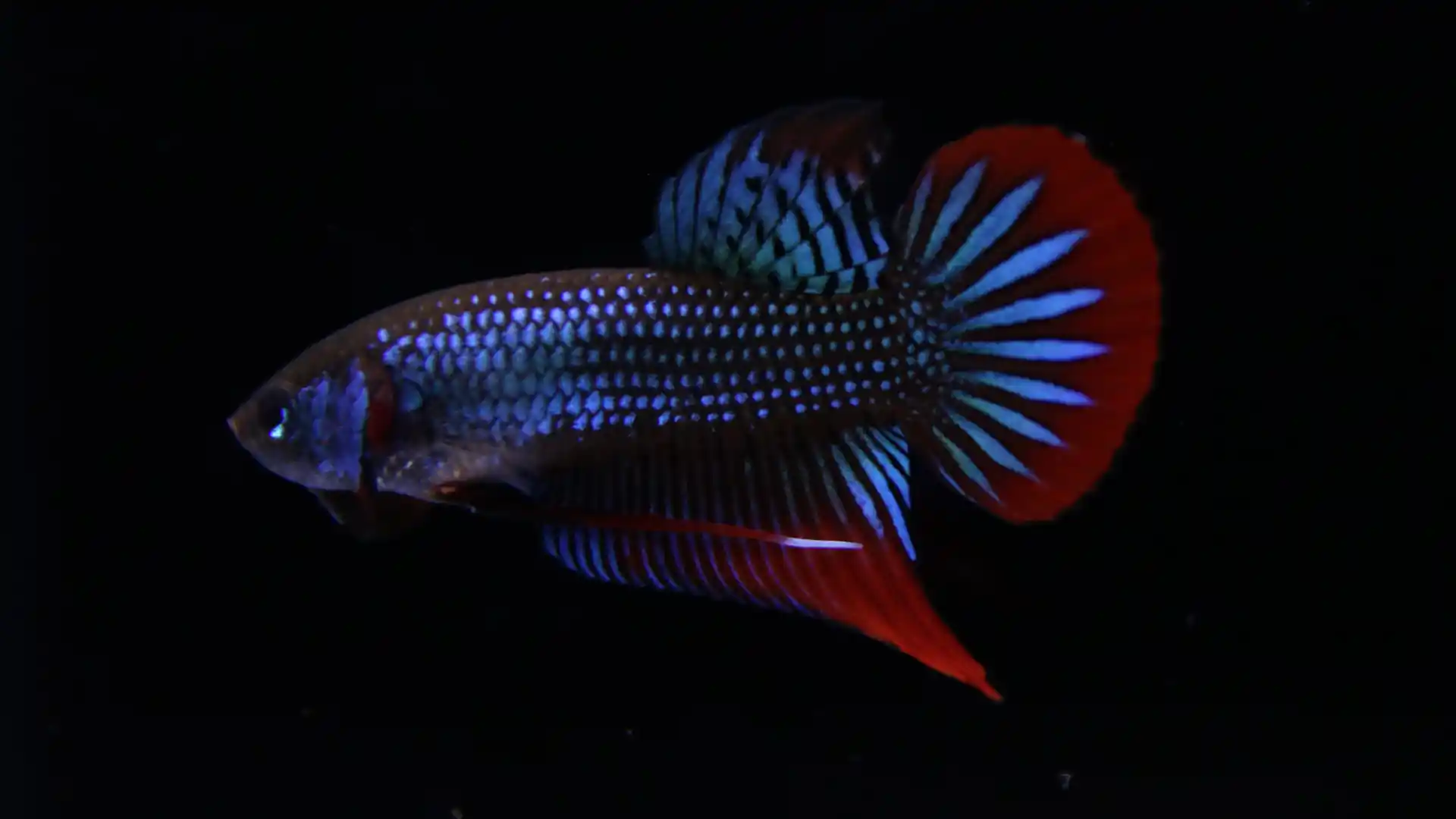
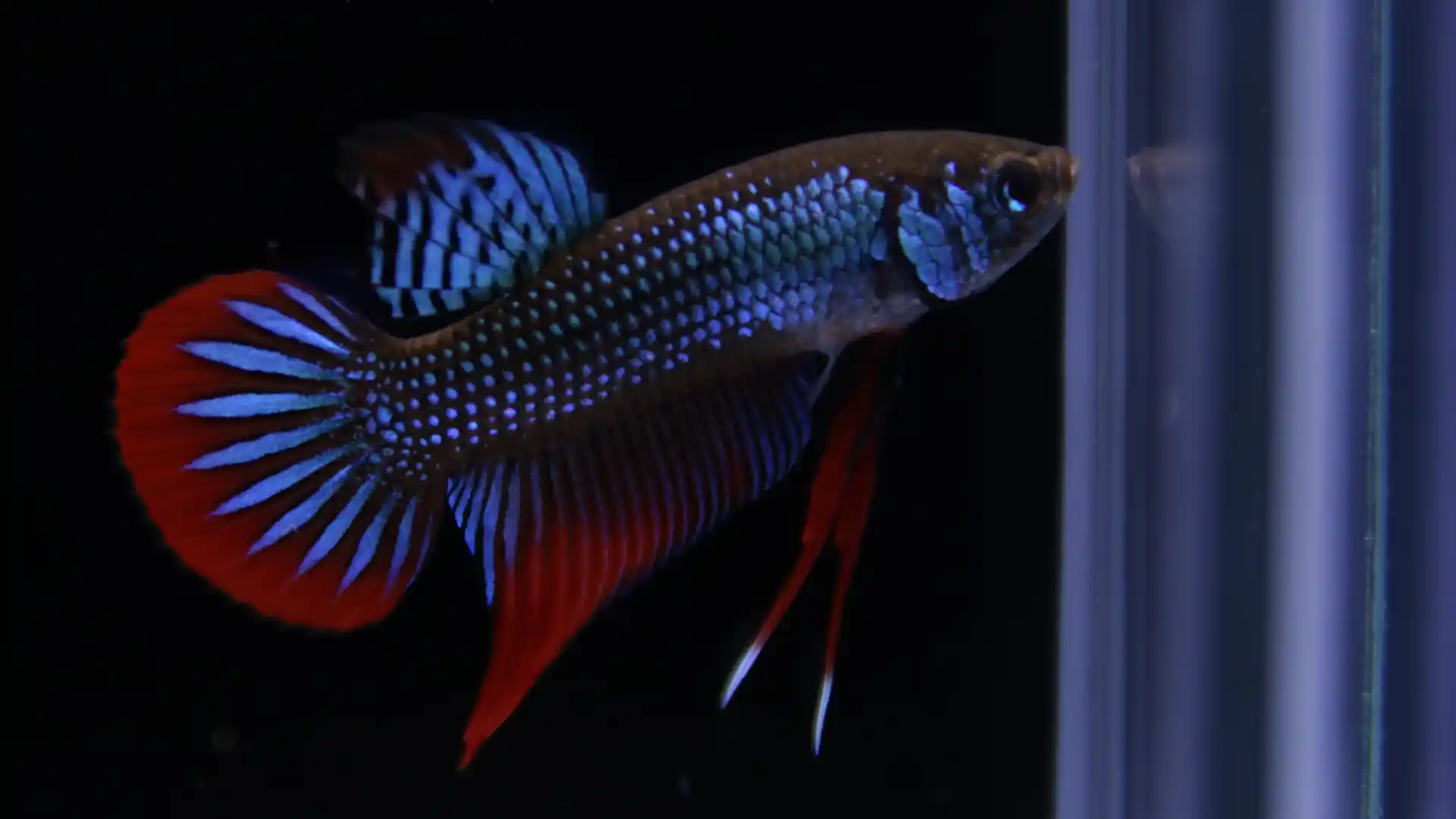
Betta imbellis typically presents a slender body, rounded head profile, and moderately long fins with balanced proportions. Males may display iridescent tones of blue, green, turquoise, and red with darker fin margins and subtle white spotting, traits often associated with wild-type stability rather than exaggerated ornamental features.
From a genetic perspective, B. imbellis differs from other Thai wild bettas such as B. splendens and B. smaragdina in fin ray structure and pigmentation patterning. These differences, combined with locality variation, contribute to meaningful genetic diversity and elevate the species' conservation value.
Behavior & Temperament
This species is generally less aggressive than many domesticated fighting lines. It is mildly territorial and will flare to establish space, especially male-to-male, yet tends to avoid sustained violent conflict when adequate territory and visual breaks are provided.
In well-structured aquariums, B. imbellis often behaves as a curious explorer, resting among plant clusters and using cover to reduce stress. For mixed setups, choose peaceful tank mates and prioritize space, plants, and hiding zones.
Breeding Biology
B. imbellis is a bubble-nest builder. After spawning, eggs are placed into the nest and protected by the male. Fry become free-swimming within approximately 2-3 days post-hatch, depending on temperature.
Husbandry tip: remove parents after fry become free-swimming to reduce the risk of fry predation and stress.
Husbandry & Care Guidelines
Provide a covered tank to prevent jumping with gentle filtration and planted structure. Recommended temperature is 24-28 C with pH around 5.5-7.0. The species prefers calm water and benefits from floating plants that diffuse light and support nest building.
Feeding should focus on nutrient-dense foods such as live or frozen bloodworms, daphnia, mosquito larvae, and high-quality betta pellets. Feed 1-2 times/day in controlled portions to maintain water quality.
Monitor for common stress indicators such as fin clamping, color fading, inactivity, and typical ornamental fish conditions such as white spot and fin rot. Early isolation and appropriate treatment are strongly recommended when symptoms appear.
Natural Aesthetics & Cultural Value
The beauty of Betta imbellis is defined by natural elegance, clean fin geometry, iridescent wild coloration, and subtle pattern details rather than extreme ornamental exaggeration. Individual variation can be striking, especially under stable water chemistry and appropriate lighting.
Beyond aesthetics, this species represents a living link between local ecosystems and human tradition, reflecting a long-standing relationship with Southern Thailand's freshwater landscapes.