
Smaragdina Breeding Guide
Learn about Betta smaragdina breeding, pairing, spawning behavior, fry care, and bloodline preservation through Bettavaro.
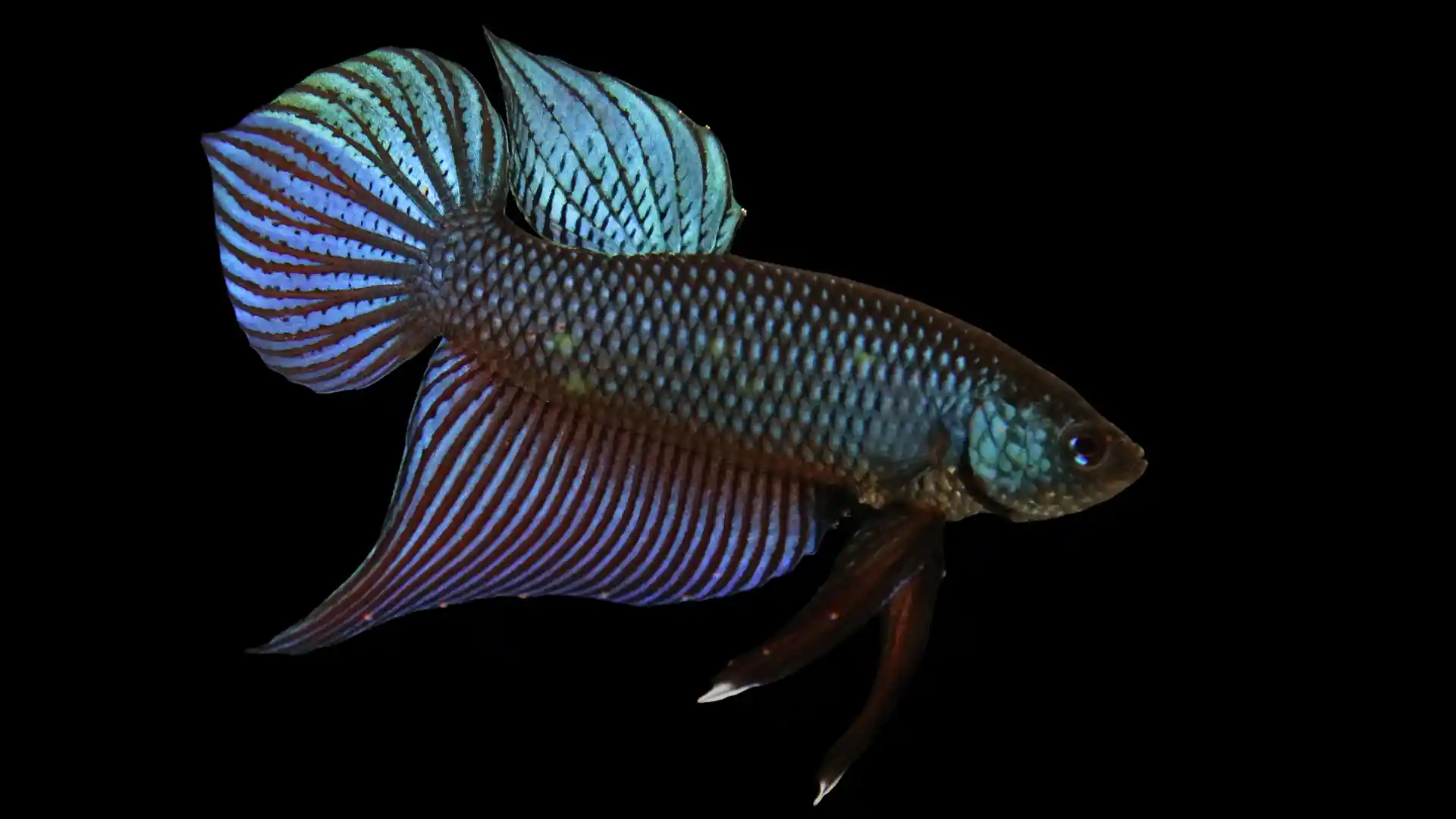
Natural Breeding Behavior
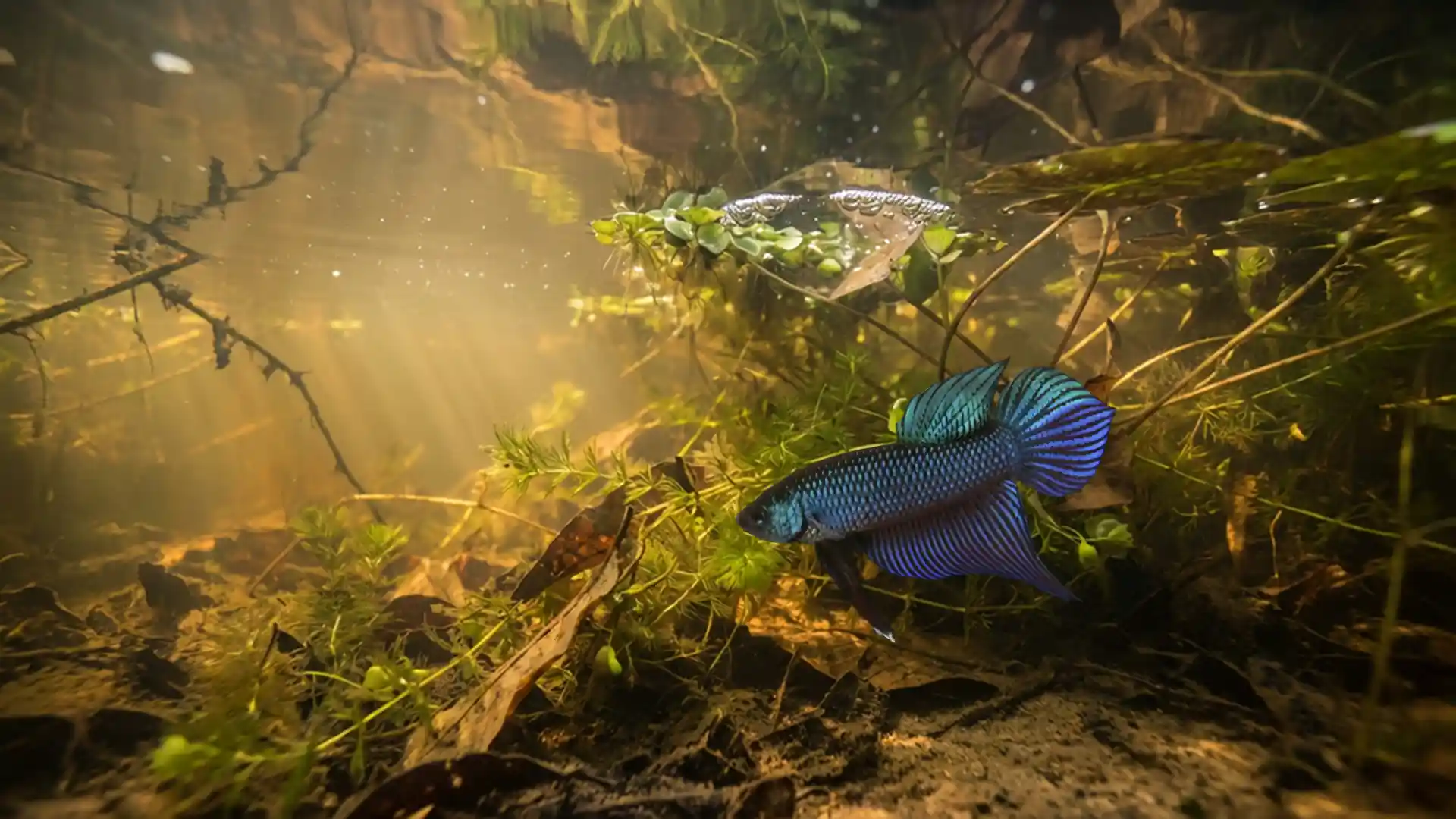
Smaragdina Betta breeding is driven by instinct, not pressure. In stable conditions, males become territorial, intensify emerald coloration, and begin guiding females toward cover near the surface.
Bubble Nest Characteristics
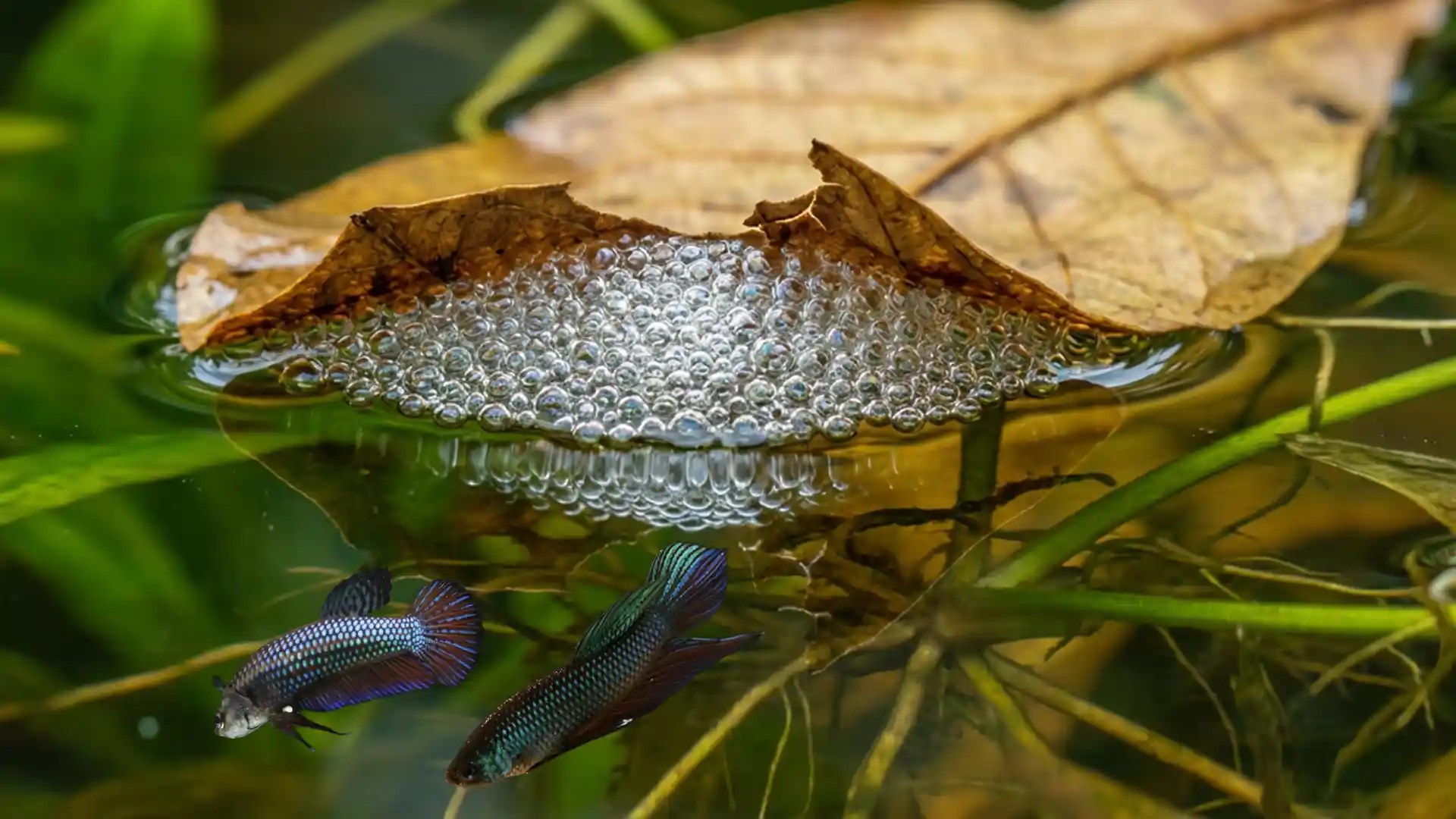
Smaragdina nests are usually compact and durable, built under floating leaves or plant mats. Strong mucus-binding and fine bubbles indicate the male is stable and ready.
Floating leaves or plant cover
Still, no ripples
Fine bubbles, tightly packed
Large bubbles can indicate stress or instability
Water Parameters: Blackwater Style
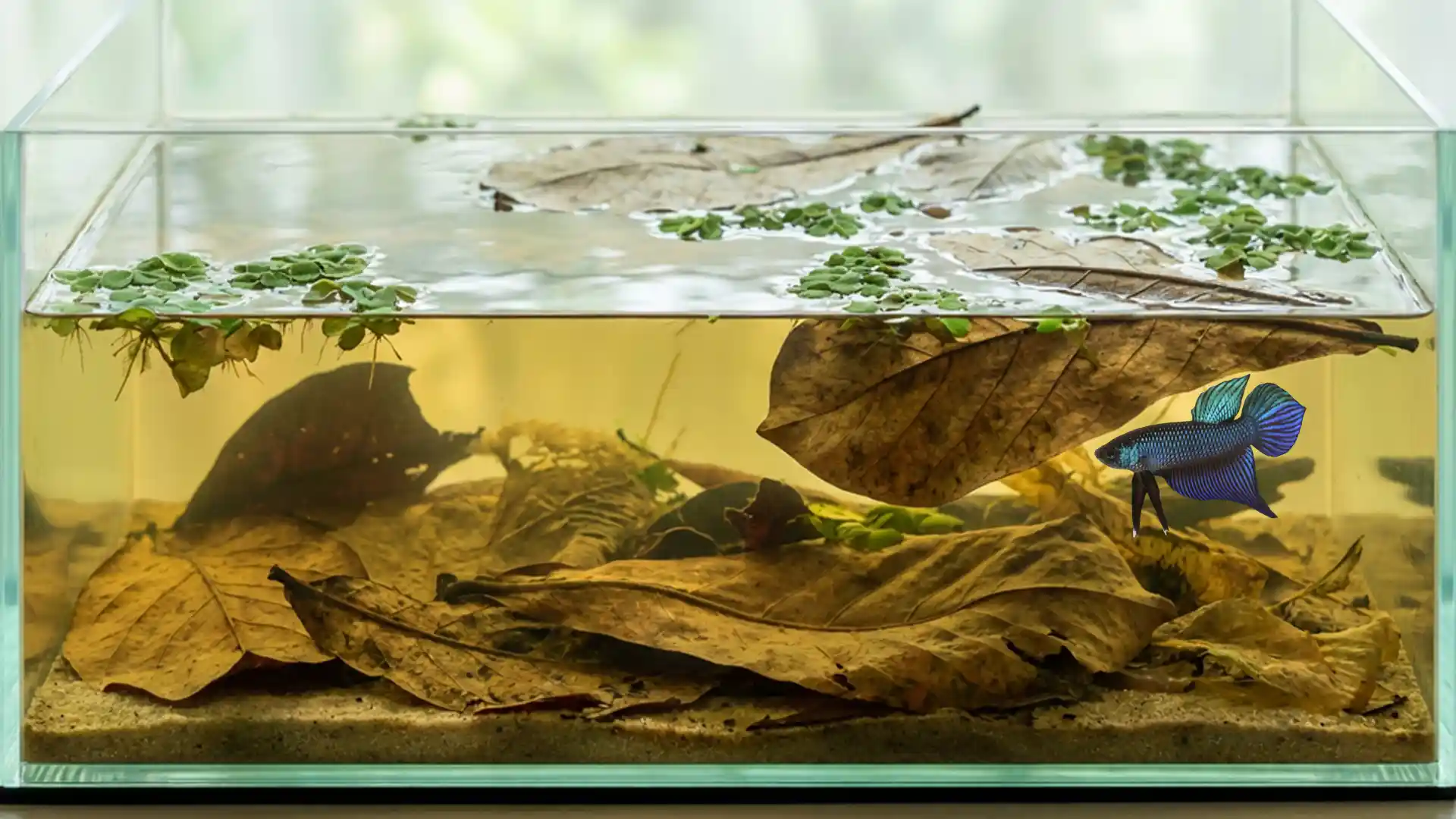
6.0-7.0, stable
26-30 C, stable
10-15 cm
None or ultra-gentle
True breeding reliability comes from stable, soft, tannin-supported water. Tannins reduce stress, support egg viability, and help bubble nests hold together under leaf cover.
Common Breeding Failures

Vibration, frequent checking, sudden light
Stress and repeated disturbance
Unstable temperature or immature male
Water not settled or weak tannin support
Fix the room before you blame the fish. Put the tank in a quiet corner, keep lighting soft, and stop checking every hour. For wild Bettas, stability is the breeding hormone.
Male Selection for Breeding

What to select visually
- Uniform emerald-green iridescence across the body and cheeks
- Healthy, intact fins with no tearing or curling
- Streamlined, muscular structure with a strong caudal peduncle
What to select by behavior
- Builds a nest without hesitation when the environment is calm
- Guards the nest consistently and does not panic easily
- Displays confidently but does not over-fight the female
Smaragdina Breeding FAQ
Do Smaragdina Bettas need blackwater to breed?
They do not require extreme blackwater, but most pairs breed far more reliably in calm, tannin-rich water that mimics their natural habitat. Aim for a light tea tint, stable temperature, and minimal disturbance.
Why does the male abandon the bubble nest?
The most common cause is stress: vibration, frequent checking, sudden lighting changes, or surface movement that damages the nest. A quiet corner, dim light, and stable water conditions usually fix the problem.
Ideal pH for Betta smaragdina breeding?
Most breeders succeed around pH 6.0-7.0 with soft to moderately soft water. Stability matters more than chasing a single number.
How big should a Smaragdina bubble nest be?
For Betta smaragdina, nest size is often smaller than fancy Bettas. Focus on dense, fine bubbles and strong structure under leaf cover rather than a large surface area.
When should I remove the female after spawning?
Remove the female immediately after spawning ends to prevent injuries and egg loss. The male will guard and manage eggs and fry alone.
What temperature works best for breeding?
Most pairs breed best at 26-30 C with stable heat. Sudden drops or fluctuations commonly delay spawning or cause nest failure.