Species page: a Southern Thai wild betta valued for refined metallic tones, calm temperament, and blackwater adaptation.
What Is Imbellis Betta?
Imbellis Betta (Betta imbellis) is a native wild betta species from
southern Thailand and nearby Southeast Asia. Unlike domesticated fighting bettas, it is typically
more composed, with elegant coloration that becomes most visible under correct blackwater conditions.
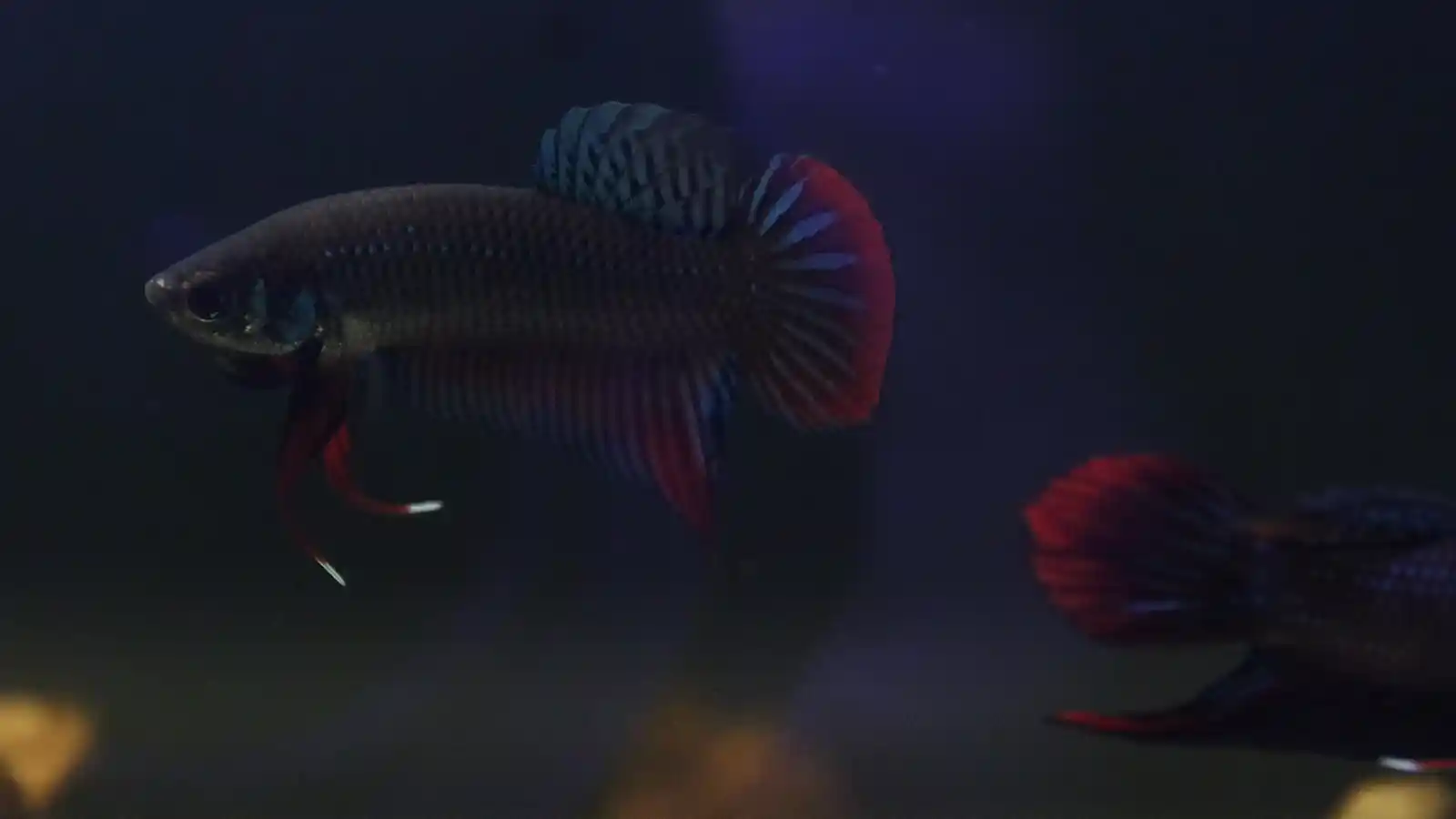
Wild-type Imbellis Betta from southern Thailand, shown with natural coloration.
Taxonomic Classification
Kingdom
Animalia
Phylum
Chordata
Class
Actinopterygii
Order
Anabantiformes
Family
Osphronemidae
Genus
Betta
Species
Betta imbellis
Common name
Imbellis Betta
Morphological Identification
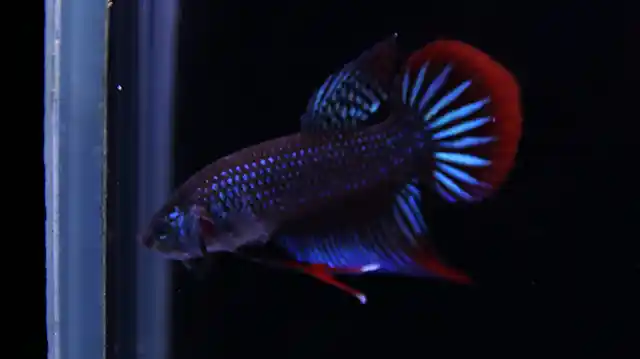
Close identification cues include cheek stripes, anal-fin color, and crescent caudal markings.
Head & Cheeks
Dark head with two metallic green-blue cheek stripes. Full cheek sheen is a premium trait.
Anal Fin
Red base with metallic inter-ray lines. The rear edge often shows a red teardrop / spear-like mark.
Tail (Caudal)
Fan-shaped tail with a crescent "moon ring" marking in red, especially visible in stable blackwater.
Natural Habitat & Water Conditions
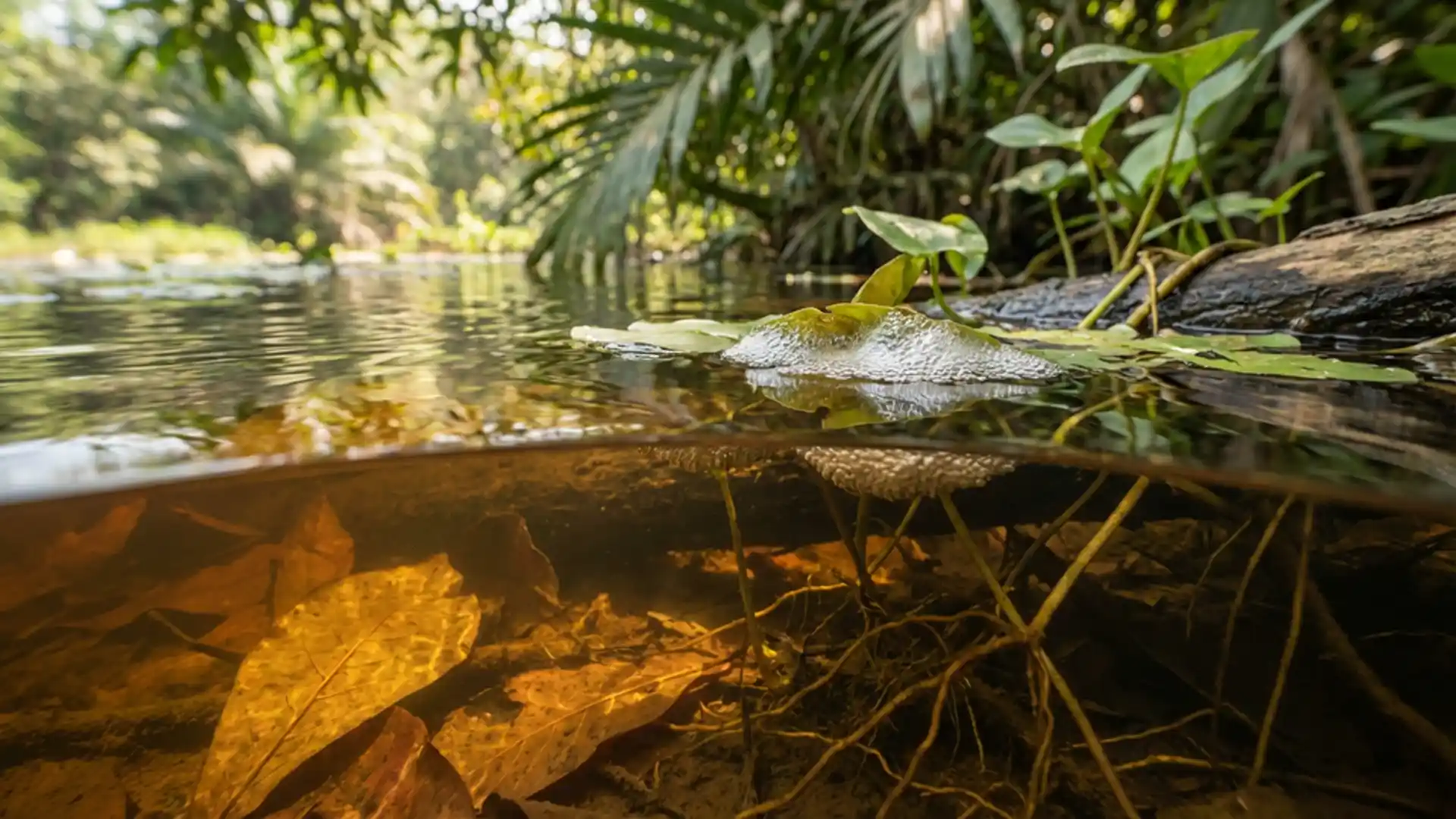
Peaceful blackwater environment of southern Thailand where wild Imbellis Betta naturally live.
In nature, Betta imbellis is commonly found in calm or slow-flowing freshwater with dense plants
and leaf litter. These environments are naturally tannin-rich and often have moderate dissolved
oxygen, conditions the species is built to handle.
pH
5.5-7.0
Temperature
24-28 C
Water type
Tannin-rich blackwater
Typical sites
Canals, ponds, rice fields, wetlands
Distribution
In Thailand, Imbellis Betta is primarily distributed across southern provinces from Chumphon
to Narathiwat. Regional populations also occur in Malaysia and parts of Sumatra.
Ecological Importance & Conservation
Imbellis Betta helps control small aquatic insects, including mosquito larvae, and can act as a
bioindicator species in wetland ecosystems. Key threats include habitat loss, agricultural chemicals,
and hybridization with domesticated lines. Responsible breeding preserves authentic genetics.