
Smaragdina Habitat
Explore the natural habitat, water conditions, environment, and ecological background of Betta smaragdina through Bettavaro.
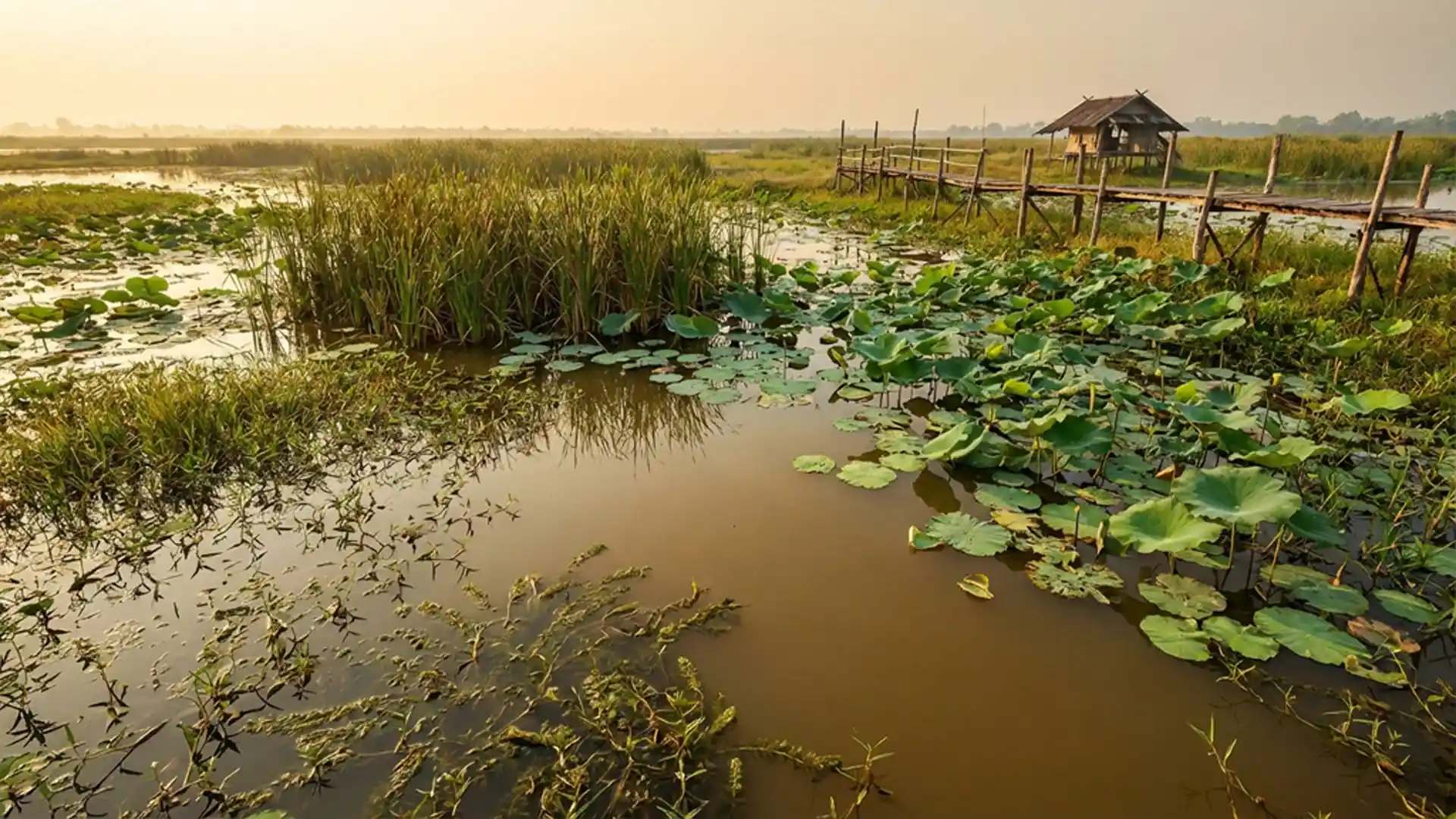
Where Smaragdina Betta Lives
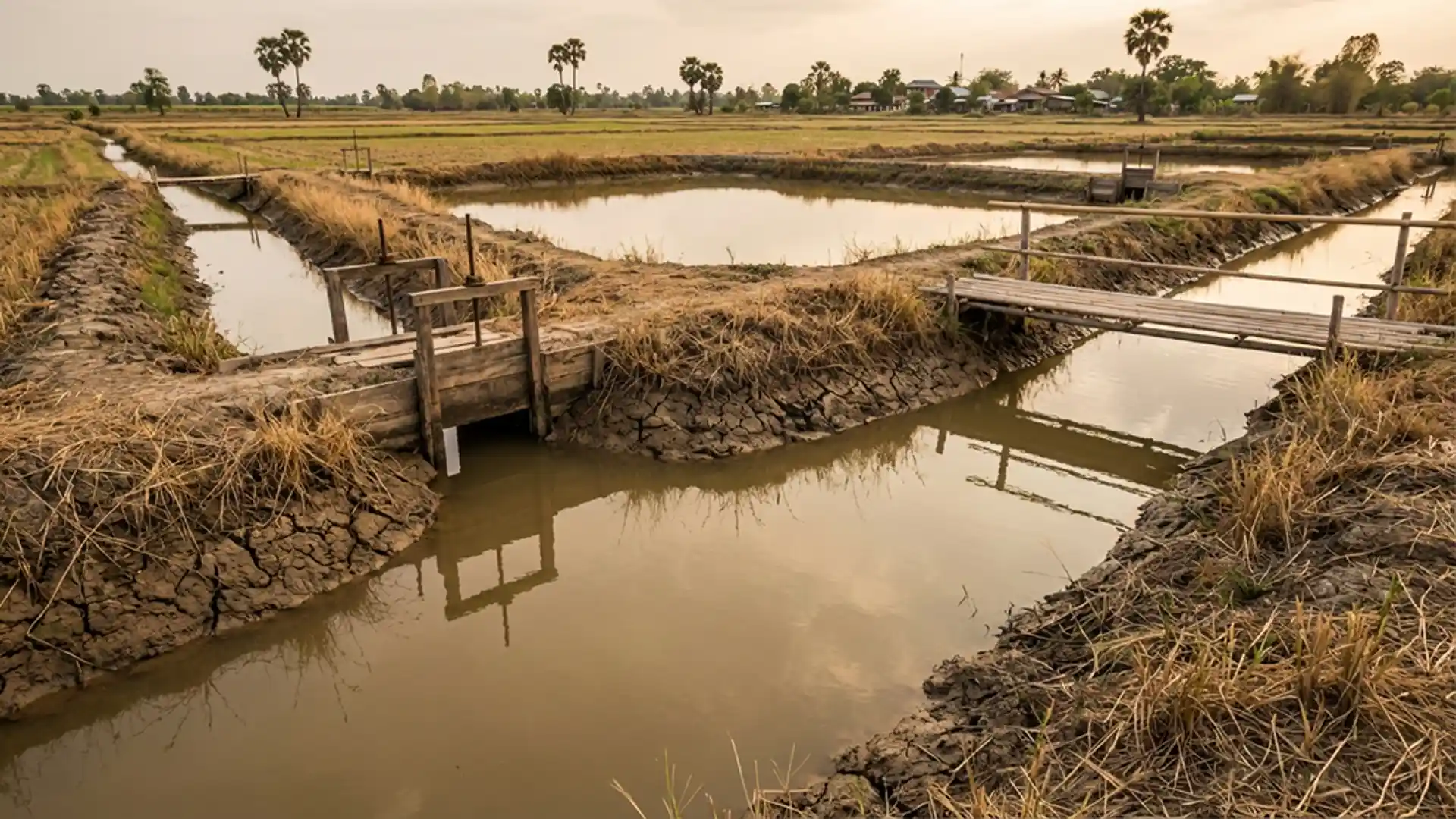
Smaragdina Betta is strongly linked with Northeastern Thailand (Isan), often observed in shallow freshwater bodies such as ponds, marsh edges, canals, and rice fields where water movement is minimal and cover is abundant.
Vegetation & Microhabitats
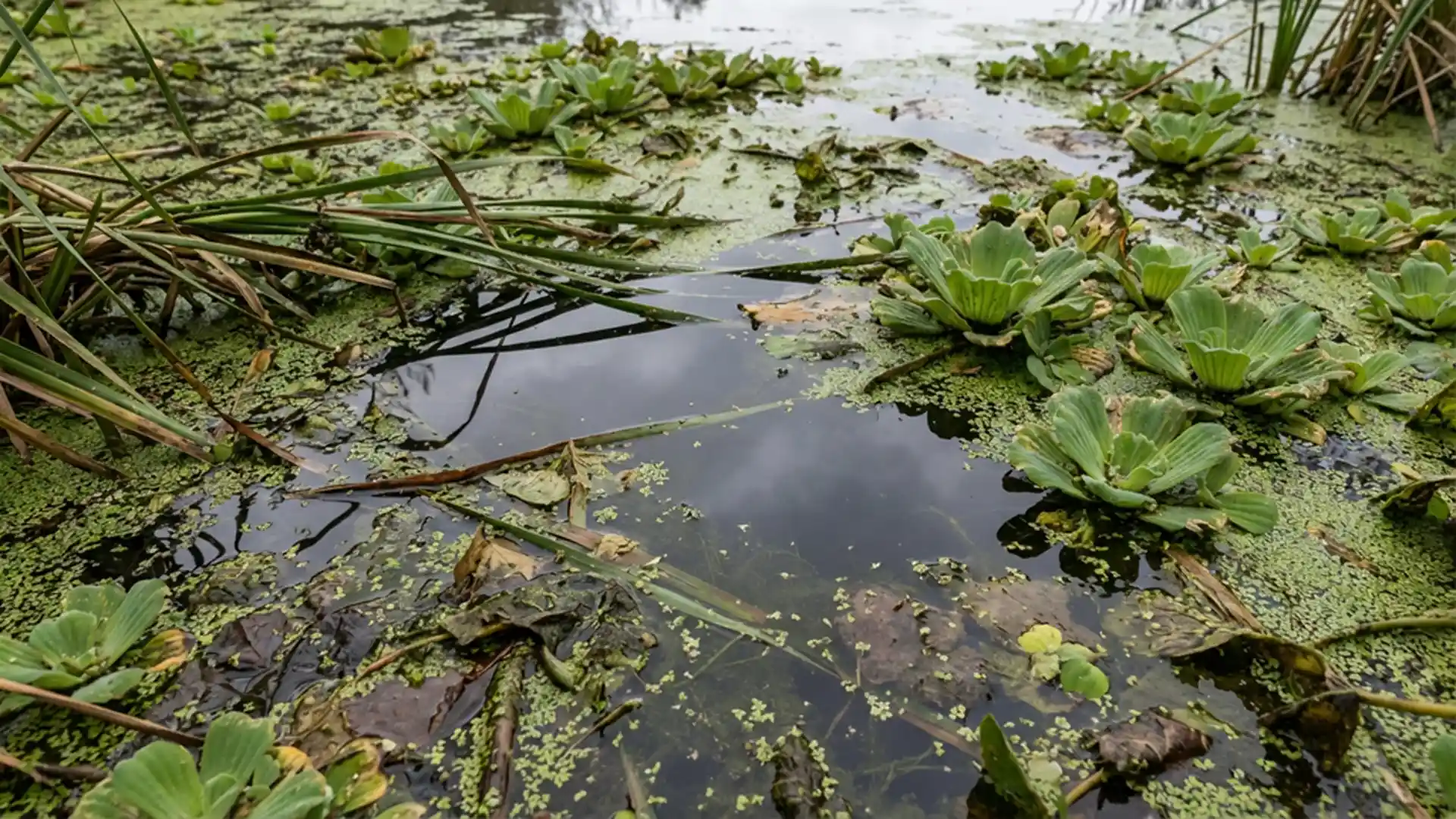
Still, protected pockets
Dense plant structure
Floating leaves or mats
Lower with cover
Water Traits & Tolerance
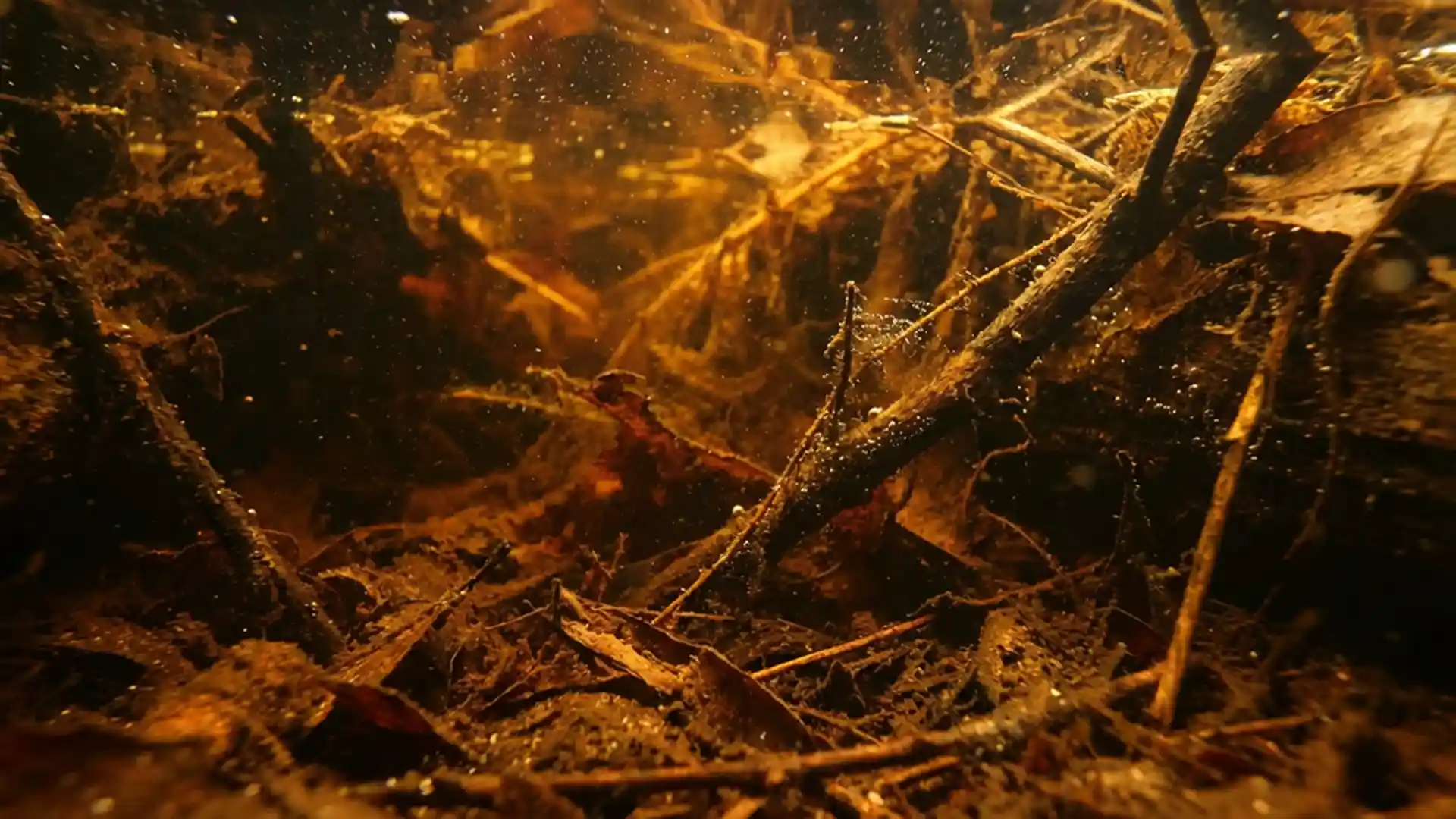
Still to slow-moving
Often low; labyrinth breathing helps
Common; reduces stress
Stability plus calm surface
These habitat traits explain why Betta smaragdina water conditions in captivity usually work best with gentle flow, cover, stable warmth, and surface structure. The environment should support natural behavior instead of exposing the fish in open water.
Smaragdina Habitat FAQ
Where is Betta smaragdina found in Thailand?
Betta smaragdina is commonly associated with Northeastern Thailand (Isan), found in shallow ponds, canals, rice fields, and slow waters with dense vegetation.
What type of water does Smaragdina Betta prefer?
They thrive in calm, shallow water with plant cover and often benefit from mild tannins. They tolerate low oxygen better than many fish due to labyrinth breathing.
Do they live in fast-flowing streams?
They are more often found in still or slow-moving waters. Strong flow is generally not typical of their preferred breeding microhabitats.
Is blackwater required to keep them healthy?
Not strictly required, but light tannins frequently reduce stress and better replicate natural conditions, especially for breeding and long-term stability.
Why is vegetation important in their habitat?
Vegetation provides cover, reduces stress, supports bubble nest anchoring, and creates calm surface zones where breeding can occur.